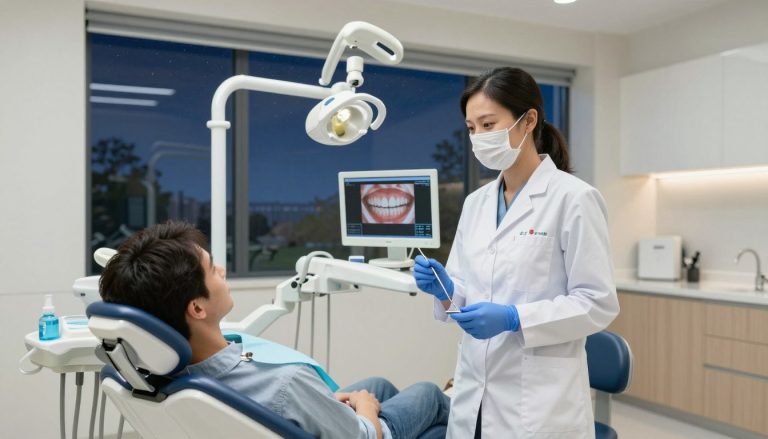
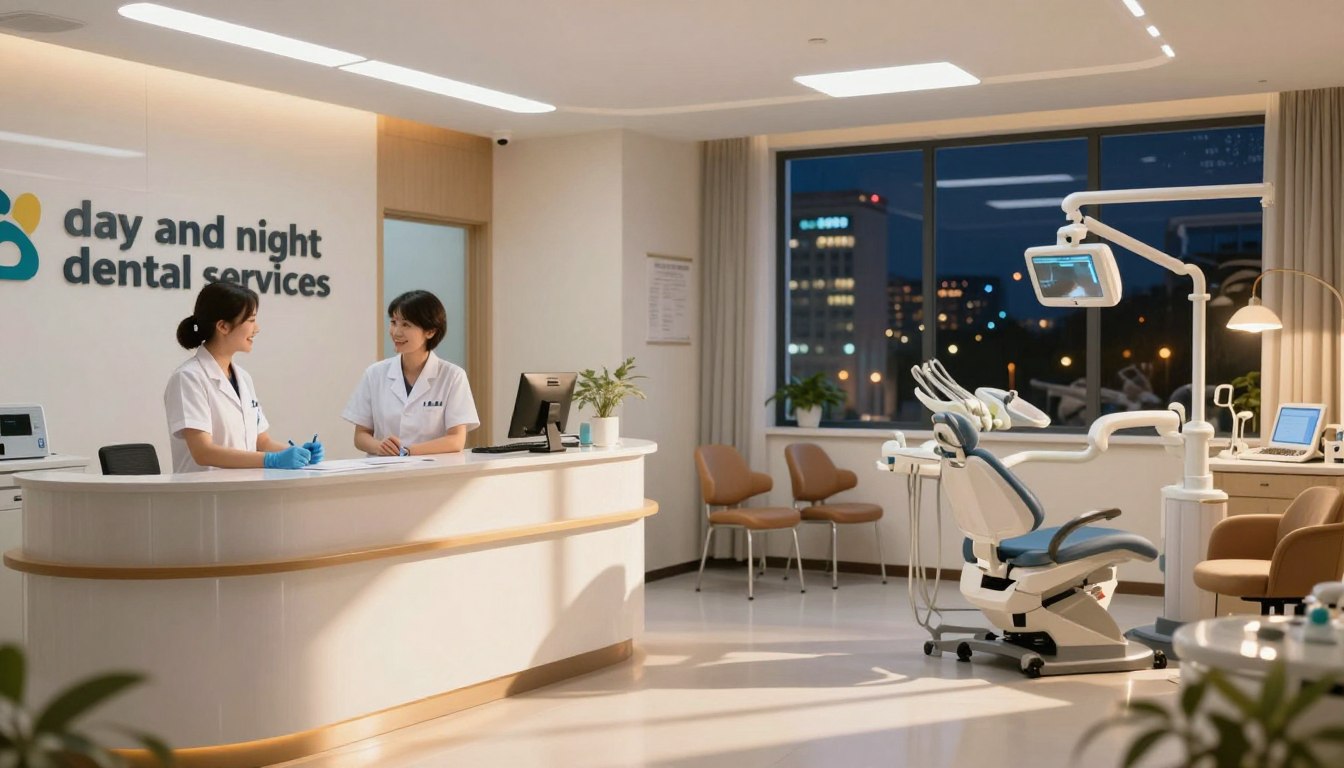
day and night dental
Finding time for a check-up often feels like a chore when you have a busy schedule. Many families struggle to book appointments that fit around work or school commitments.
Fortunately, day and night dental care provides a flexible solution for those living in the United States. These clinics prioritise your comfort by offering extended hours to suit your lifestyle.
Whether you require an urgent visit or a routine cleaning, these accessible professionals ensure your family maintains a healthy smile. Choosing day and night dental services means you no longer need to stress about finding a gap in your calendar.
Key Takeaways
- Flexible hours make it easier to organise appointments around your busy life.
- Urgent care is available to help you manage unexpected tooth pain quickly.
- Friendly clinics provide a welcoming environment for every member of the family.
- Consistent check-ups are essential for maintaining long-term oral health.
- Booking is simple, ensuring you get the support you need without the usual wait.
What Day and Night Dental Care Means for Your Family
Managing your family’s oral health becomes much simpler when you have access to family dental care that respects your time. Many households find that traditional office hours simply do not align with the demands of modern life. By choosing day and night dental services, you ensure that professional support is available whenever your schedule allows.
How extended dental hours improve access to care
The primary benefit of an after-hours dentist is the ability to receive treatment without missing work or school. Extended dental hours bridge the gap between standard business operations and the reality of a busy lifestyle. This accessibility ensures that minor issues do not escalate into major problems simply because a clinic was closed.
The difference between routine, urgent and emergency dental needs
Understanding the nature of your dental concern helps you choose the right level of care. While routine visits focus on prevention, urgent and emergency situations require immediate attention to prevent long-term damage.
| Category | Typical Examples | Urgency Level |
|---|---|---|
| Routine | Check-ups, cleanings | Low (Scheduled) |
| Urgent | Toothache, lost filling | Medium (Same-day) |
| Emergency | Knocked-out tooth, trauma | High (Immediate) |
“True accessibility in healthcare means meeting the patient where they are, both in terms of location and time. Providing flexible options is essential for maintaining long-term oral health in our communities.”
Why flexible appointments matter for busy households
Securing convenient dental appointments is a game-changer for parents juggling multiple schedules. When you work with a dedicated family dentist, you gain the peace of mind that comes with knowing help is available. Flexibility allows you to prioritise your health without the stress of constant rescheduling or missed opportunities for care.
How Day and Night Dental Services Support a Healthier Smile
A healthy smile is the result of consistent care and timely professional support. By choosing day and night dental services, you ensure that your oral health remains a priority regardless of your busy schedule. This approach bridges the gap between preventive maintenance and the need for immediate intervention.
Convenient check-ups and professional cleanings
Staying on top of your oral hygiene is much easier when you can book a dental check-up at a time that suits you. Regular routine dental care helps identify minor issues before they become painful or expensive to treat. During these visits, a professional teeth cleaning removes stubborn plaque and tartar that daily brushing might miss.
“The best way to predict your future health is to create it through consistent, preventive habits.”
Same-day support for unexpected dental problems
Life is unpredictable, and dental pain rarely waits for a convenient time to strike. Having access to a same-day dentist provides peace of mind when you face a sudden toothache or a broken restoration. This type of urgent dental care ensures that you receive relief quickly, preventing further damage to your teeth and gums.
Ongoing care for children, adults and older family members
A comprehensive dental practice acts as a medical home for every generation. Whether you are looking for a gentle children’s dentist to start your little ones on the right path or specialized care for older adults, consistency is key. Building a long-term relationship with your dental team allows them to track your family’s history and provide personalized advice for a lifetime of healthy smiles.
When to Book a Routine Dental Appointment
Maintaining a healthy smile requires more than just daily brushing; it demands a proactive approach to your oral health. By prioritising your dental wellbeing, you can avoid the stress of unexpected issues and keep your teeth in top condition.
Recommended timing for examinations and cleanings
Most dental professionals suggest that patients schedule a visit every six months to maintain optimal health. This frequency allows for professional teeth cleaning to remove stubborn plaque that your toothbrush simply cannot reach. If you have specific health concerns, your dentist may suggest more frequent visits to ensure you have access to convenient dental appointments that fit your lifestyle.
Signs that your smile needs professional attention
While regular visits are essential, you should also stay alert for changes in your mouth. If you notice persistent sensitivity, bleeding gums, or a dull ache, it is time to book a dental check-up immediately. Ignoring these small warning signs often leads to more complex and costly treatments later on.
The following table highlights the differences between staying ahead of issues and waiting for symptoms to worsen:
| Feature | Preventive Care | Reactive Care |
|---|---|---|
| Cost | Lower long-term expense | Higher emergency costs |
| Comfort | Minimal discomfort | Potential for pain |
| Treatment Time | Short, routine visits | Extended, complex procedures |
| Outcome | Healthy, stable smile | Risk of tooth loss |
How regular visits help detect problems earlier
Committing to preventive dental care is the most effective way to catch decay or gum disease in its earliest stages. During your visit, your dentist uses advanced imaging to spot hidden issues before they cause you any pain. Early detection not only saves you time but also preserves the natural structure of your teeth for a lifetime of confident smiling.
Getting Prompt Help for Urgent Dental Problems
A sudden toothache or injury can be distressing, but help is available around the clock. When you face an unexpected oral health issue, seeking urgent dental care is the best way to prevent further damage and manage pain effectively.
Toothache, sensitivity and swelling that should not be ignored
Persistent pain or sudden sensitivity often signals an underlying infection or deep decay. If you notice facial swelling, it is vital to contact an emergency dentist immediately, as this may indicate a serious abscess. Professional toothache treatment is necessary to address the root cause rather than just masking the symptoms.
Broken, chipped or knocked-out teeth
Accidents happen, but a broken tooth repair should be prioritised to save the natural tooth structure. If a tooth is knocked out, time is of the essence, and you should reach out to a same-day dentist as quickly as possible. Keeping the tooth moist and handling it by the crown can significantly improve the chances of successful re-implantation.
Lost fillings, crowns and other dental restorations
Losing a filling or crown can leave your tooth vulnerable to sensitivity and further decay. You should schedule a dental restoration repair promptly to protect the exposed area from bacteria. Ignoring these gaps can lead to more complex and costly procedures later on.
What to do while waiting for an urgent appointment
While you wait to see an after-hours dentist, there are simple steps you can take to stay comfortable. Rinse your mouth gently with warm salt water to keep the area clean and reduce inflammation. If you are experiencing swelling, applying a cold compress to the outside of your cheek can provide temporary relief.
| Dental Emergency | Immediate Action | Priority Level |
|---|---|---|
| Severe Toothache | Rinse with warm salt water | High |
| Knocked-out Tooth | Keep moist in milk or saliva | Critical |
| Lost Filling/Crown | Avoid chewing on that side | Medium |
| Facial Swelling | Apply cold compress | Critical |
Understanding Dental Emergencies and Safety Priorities
Understanding the warning signs of a serious dental issue helps you make the right choice during a crisis. While many problems can wait for a standard appointment, some situations require urgent dental care to prevent lasting damage. Knowing how to distinguish between a routine issue and a true dental emergency is essential for your family’s safety.
When facial swelling or severe pain requires immediate care
Severe pain that keeps you awake at night is often a sign of an underlying infection. If you notice significant facial swelling, this could indicate an abscess that needs toothache treatment right away. Delaying care in these instances can allow the infection to spread to other parts of your body.
An after-hours dentist can often provide the relief you need when standard clinics are closed. Do not ignore swelling that affects your ability to breathe or swallow, as these are critical warning signs.
How to respond to bleeding, trauma and possible infection
If you experience a knocked-out tooth or a severe injury, stay calm and act quickly. For a broken tooth, collect the pieces and rinse your mouth gently with warm water. You should seek broken tooth repair as soon as possible to save the tooth structure.
“Prompt action during a dental crisis is the single most important factor in preserving your natural smile and preventing long-term complications.”
Control any bleeding by applying firm, steady pressure with a clean piece of gauze. If the bleeding does not stop after ten minutes, you must seek professional help immediately.
When to visit a hospital emergency department instead
Sometimes, a dental emergency is part of a larger medical problem. If you have sustained a blow to the head, have a fractured jaw, or are experiencing difficulty breathing, go to the nearest hospital emergency department. These facilities are equipped to handle systemic trauma that goes beyond the scope of a standard emergency dentist.
| Symptom | Action Required | Priority Level |
|---|---|---|
| Minor tooth sensitivity | Book routine visit | Low |
| Lost filling | Call for urgent appointment | Medium |
| Severe facial swelling | Seek immediate care | High |
| Uncontrolled bleeding | Visit hospital ER | Critical |
Services You May Find at a Day and Night Dental Practice
When you choose a day and night dental provider, you gain access to a comprehensive suite of oral health services designed to fit your busy lifestyle. While these clinics are known for their extended hours, they also function as full-service hubs for your family’s ongoing health needs. It is important to remember that every practice is unique, so always confirm the specific treatments available at your chosen location.

Preventive examinations, X-rays and hygiene care
Maintaining a healthy smile starts with consistent preventive dental care. Regular check-ups allow your dentist to monitor your oral health and catch potential issues before they become serious. During these visits, you will typically receive a professional teeth cleaning to remove plaque and tartar buildup that daily brushing might miss.
Digital X-rays are also a standard part of these preventive sessions. They provide a clear view of your tooth structure and jawbone, helping the team identify hidden decay or alignment concerns. This proactive approach is the best way to ensure your smile stays strong for years to come.
Restorative treatment for decay and damaged teeth
If you experience a dental injury, many clinics offer prompt broken tooth repair to restore both function and aesthetics. Whether you have a small chip or a more significant fracture, the dental team will assess the damage and recommend the best course of action. This often includes bonding, crowns, or other durable materials.
Beyond trauma, these practices are equipped for dental restoration repair. If you have an old filling or a crown that has become loose or damaged, the staff can often provide a quick and effective fix. Addressing these issues early prevents further decay and protects the integrity of your natural tooth structure.
Cosmetic options for improving the appearance of your smile
Many patients visit their dentist not just for health, but to enhance their confidence through cosmetic dentistry. Modern practices offer a variety of treatments to brighten and align your teeth. Common options include professional whitening services, veneers, and discreet orthodontic solutions.
These aesthetic procedures are often performed with the same attention to detail as restorative work. By improving the look of your smile, you can feel more comfortable in social and professional settings. Discuss your goals with your dentist to see which cosmetic path is right for you.
Relief-focused treatment for pain and dental anxiety
If you are suffering from a sudden issue, seeking toothache treatment is a top priority. Clinics with extended hours are specifically designed to provide relief when you need it most, helping you manage discomfort effectively. The goal is to diagnose the source of your pain and provide immediate care to get you back to feeling like yourself.
For those who feel nervous about visiting the dentist, dental anxiety support is a vital service. Many teams are trained to create a calm, welcoming environment for patients of all ages. They use gentle techniques and clear communication to ensure you feel safe and informed throughout your entire appointment.
| Service Category | Primary Goal | Common Procedures |
|---|---|---|
| Preventive | Maintain Health | Cleanings, X-rays, Exams |
| Restorative | Repair Damage | Fillings, Crowns, Bonding |
| Cosmetic | Enhance Appearance | Whitening, Veneers, Contouring |
| Urgent | Pain Relief | Emergency Exams, Extractions |
Making Dental Visits Easier for Children and Families
Finding time for quality family dental care is easier than you might think. When you choose a practice that understands the demands of modern life, you can keep your household healthy without the usual stress.
Scheduling appointments around school, work and family routines
Modern dental practices now offer extended hours to accommodate busy parents and students. By booking appointments during evenings or weekends, you avoid the need to pull children out of school or take time off from your job.
Consistency is key to maintaining a healthy smile. When you align your visits with your natural family rhythm, you are far more likely to keep up with regular check-ups and necessary treatments.
Preparing children for an evening or urgent dental visit
A skilled children’s dentist knows that preparation makes all the difference. Talk to your child about the visit in a calm, matter-of-fact way to help them feel secure.
If you are heading in for an urgent issue, focus on the relief they will feel once the pain is gone. Providing simple, honest oral health advice helps children understand that the dentist is a partner in their well-being.
Supporting patients with sensory needs or dental anxiety
Many people experience nervousness when sitting in the dental chair. High-quality dental anxiety support involves clear communication and a gentle approach from the entire clinical team.
If you or a family member has sensory sensitivities, let the office know ahead of time. Many practices can dim the lights, reduce noise, or allow you to bring comfort items to make the environment feel safer.
Creating a calm and positive experience at home and in the practice
You can build a positive association with dental visits by practicing good habits at home. Role-playing a check-up with a toy or reading books about visiting the dentist can demystify the process for younger children.
Once at the practice, maintain a relaxed attitude yourself, as children often mirror the emotions of their parents. A family dentist will work with you to ensure that every visit is as comfortable and efficient as possible.
| Strategy | Benefit for Children | Benefit for Adults |
|---|---|---|
| Evening Scheduling | No missed school | No work disruption |
| Pre-visit Talk | Reduces fear | Sets expectations |
| Comfort Items | Provides security | Lowers anxiety |
| Consistent Care | Builds trust | Prevents emergencies |
What to Expect Before, During and After Your Appointment
Whether you are visiting for a routine check-up or an urgent matter, understanding the process makes all the difference. Knowing what to expect helps you feel prepared and ensures you receive the best care possible. By choosing convenient dental appointments, you can easily integrate oral health into your busy schedule without unnecessary stress.
Information to provide when booking by phone or online
When you contact the practice, providing clear details helps the staff prepare for your arrival. Be ready to describe your symptoms, how long they have lasted, and any pain levels you are experiencing. Honesty is vital, as it allows the team to allocate the right amount of time for your specific needs.
If you have a history of dental sensitivity or specific health conditions, mention these during the booking process. Providing your insurance details or payment preferences upfront also saves time when you arrive. This proactive approach ensures that your visit remains efficient and focused on your comfort.
How the dental team assesses symptoms and treatment options
Upon arrival, your emergency dentist will perform a thorough examination to identify the root cause of your discomfort. They may use digital X-rays or visual inspections to gain a clear picture of your oral health. This diagnostic phase is crucial for creating a safe and effective treatment plan tailored to you.
If you feel nervous, please let the staff know so they can provide dental anxiety support. The team is trained to explain every step of the procedure in simple terms to put your mind at ease. They will discuss all available options, ensuring you feel confident and informed before any work begins.
Aftercare instructions, follow-up visits and warning signs
Following your treatment, the dentist will provide clear instructions to help you heal properly. It is important to follow these guidelines, especially if you have undergone a procedure for a dental emergency. You should also schedule any necessary follow-up visits to monitor your progress and ensure long-term success.
Keep an eye out for warning signs such as persistent swelling, fever, or pain that does not subside after a few days. If you notice anything unusual, contact the practice immediately for further guidance. Your recovery is a priority, and staying in touch with your dental team ensures your smile stays healthy.
| Visit Type | Preparation Needed | Typical Duration |
|---|---|---|
| Routine Check-up | Medical history update | 45–60 minutes |
| Urgent Care | Symptom description | 60–90 minutes |
| Follow-up Visit | Previous records | 20–30 minutes |
Paying for Day and Night Dental Care in the United States
Whether you are planning a routine dental care visit or facing an unexpected dental emergency, knowing your payment options is essential. Navigating the financial side of oral health can feel overwhelming, but clear communication with your provider makes the process much easier for your family.
Questions to ask about fees before treatment begins
Before any procedure starts, you should always feel comfortable asking for a transparent breakdown of dental fees. It is helpful to request a written estimate that outlines the specific services required and their associated costs. Transparency is key to avoiding surprises when it comes time to settle your bill.
Ask your dental office if they provide a clear schedule of charges for common procedures. Understanding these costs upfront allows you to plan your budget effectively and focus on your recovery rather than financial stress.
Using dental insurance, savings plans and flexible payment options
Most practices accept various forms of dental insurance to help offset the cost of your treatment. It is wise to verify your coverage details with your provider before your appointment to understand what portion of the fees will be covered. If you do not have insurance, many offices offer in-house savings plans or third-party financing options to make care more accessible.
Flexible payment plans can be a lifesaver when you need urgent dental care but are working within a tight monthly budget. Do not hesitate to ask the administrative team about interest-free payment arrangements or credit options that might be available to you.
Understanding the cost differences between routine and urgent care
There is often a distinction in pricing between scheduled maintenance and emergency services. Routine dental care is typically predictable and covered under standard preventive plans, whereas urgent dental care may involve additional fees for after-hours availability or immediate diagnostic needs.
When you choose a day and night dental practice, you are paying for the convenience of extended access. While these services might carry a different price point, the value of receiving prompt relief from pain is often worth the investment.
Why delaying necessary treatment can increase future costs
It is tempting to put off a dental visit, but delaying treatment is rarely a good financial strategy. Small issues, such as a minor cavity or early gum inflammation, can quickly progress into complex problems that require expensive procedures like root canals or extractions.
By addressing concerns early, you protect both your smile and your wallet. Investing in timely day and night dental support prevents the need for more invasive and costly interventions down the road. Always remember that your long-term oral health is a valuable asset that deserves consistent attention.
Simple Ways to Protect Your Smile Between Visits
While professional care is essential, your home routine is the first line of defense for your smile. Consistent preventive dental care at home helps keep your teeth strong and your gums healthy throughout the year.
Brushing, interdental cleaning and fluoride use
The foundation of a healthy mouth starts with effective daily habits. You should brush your teeth at least twice a day using a soft-bristled toothbrush and fluoride toothpaste to remove plaque effectively.
Don’t forget that brushing alone often misses the tight spaces between teeth. Incorporating interdental cleaning, such as flossing or using interdental brushes, is crucial for removing debris where decay often begins. Using a fluoride mouthwash can provide an extra layer of protection, strengthening your enamel against acid attacks.
Foods, drinks and habits that affect oral health
What you consume has a direct impact on your oral health advice and overall wellbeing. Frequent snacking on sugary or acidic foods can lead to enamel erosion and cavities over time.
Try to limit sodas, energy drinks, and sticky sweets that cling to your teeth. Instead, choose water or milk to stay hydrated and keep your mouth clean. Developing these healthy habits is a key part of family dental care for all ages.
Protecting teeth during sport, sleep and everyday activities
Accidents can happen when you least expect them, making protection a priority. If you or your children participate in contact sports, wearing a custom-fitted mouthguard is the best way to prevent trauma to the teeth and jaw.
For those who grind their teeth at night, a custom night guard can prevent wear and tear while you sleep. These simple tools are an investment in your long-term routine dental care and help avoid unnecessary damage.
When home care is not enough to manage dental symptoms
Even with the best intentions, home care cannot replace a professional assessment. If you notice persistent pain, swelling, or bleeding, it is time to seek expert help.
These symptoms often indicate underlying issues that require routine dental care from a professional. Do not wait for the problem to worsen; early intervention is always the most effective way to protect your smile.
Choosing a Convenient Dental Practice for Ongoing Care
Selecting a dental practice that fits your busy lifestyle is essential for maintaining long-term oral health. When you search for a family dentist, you want a partner who understands the unique rhythm of your household. Accessing high-quality day and night dental services ensures that your smile remains a priority, regardless of how hectic your schedule becomes.
Checking opening hours, appointment availability and location
The best practices offer extended dental hours to accommodate working parents and students. Look for a clinic that provides convenient dental appointments that do not require you to take significant time off work or school. Proximity is also vital, as a location near your home or office makes it much easier to keep up with regular check-ups.
Assessing communication, accessibility and patient comfort
A great practice prioritises clear communication from the moment you call to book. You should feel heard and respected by the front desk staff and the clinical team. Furthermore, a welcoming environment that focuses on patient comfort can significantly reduce anxiety for both adults and children.
Confirming the practice offers the services your household needs
Ensure the clinic acts as a comprehensive children’s dentist while also providing advanced care for adults. If you have specific needs, check if they have an after-hours dentist on call for unexpected issues. A versatile practice saves you from having to visit multiple locations for different types of treatment.
Questions to ask before booking a first appointment
Before you commit to a new provider, take a moment to ask a few key questions to ensure they are the right fit. Being proactive helps you avoid surprises regarding dental fees and service availability.
- Do you offer flexible scheduling for families with multiple members?
- What is your policy regarding emergency care outside of standard business hours?
- Are your dental fees transparent, and do you accept my insurance plan?
- What specific measures do you take to help nervous patients feel at ease?
Conclusion
Taking control of your family’s dental health starts with finding a reliable partner for your ongoing care. Accessing quality day and night dental support ensures that your busy schedule never stands in the way of a healthy, bright smile.
Consistent oral hygiene habits remain the best defence against decay and discomfort. When unexpected issues arise, knowing where to turn for professional help provides peace of mind for every member of your household.
Modern day and night dental services bridge the gap between routine check-ups and urgent medical needs. These flexible options allow you to address concerns before they grow into complex problems.
Reach out to a local practice today to discuss your specific needs. Building a relationship with a trusted provider helps you maintain long-term wellness and confidence in your smile.