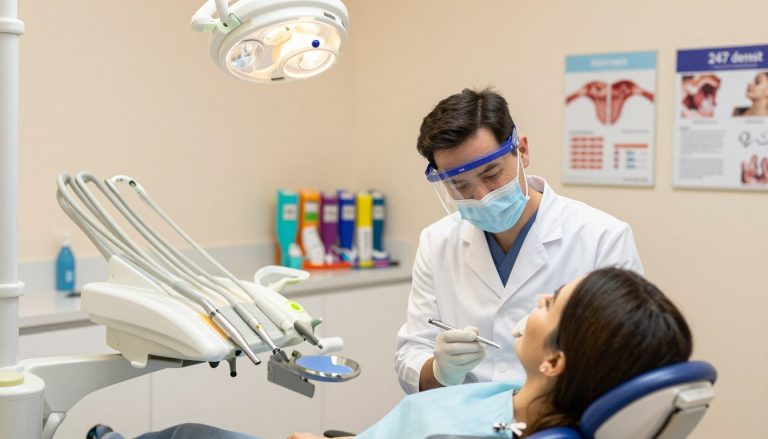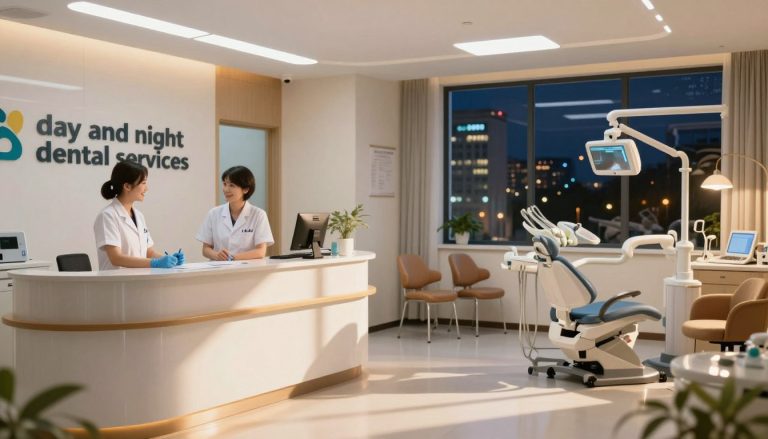
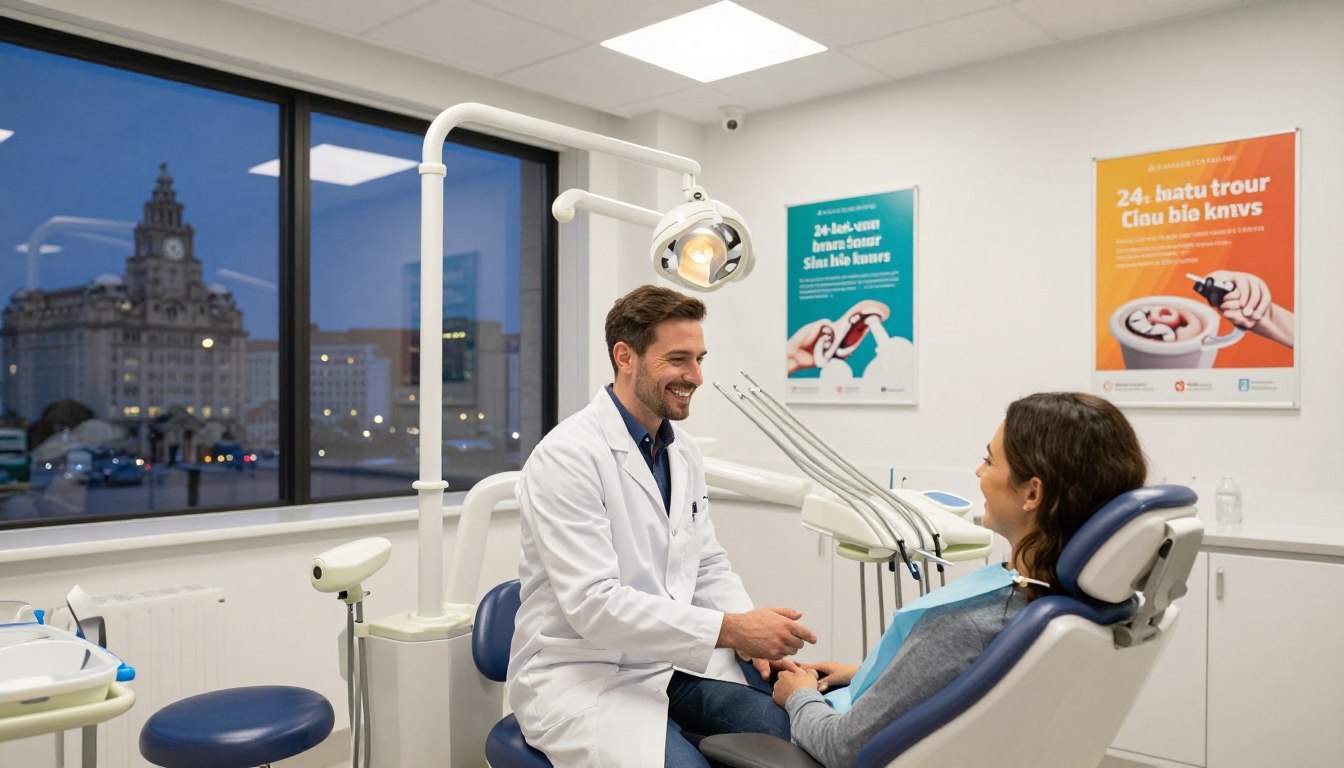
24 hours dentist near liverpool
Dealing with sudden tooth pain is an incredibly stressful experience. When you need a 24 hours dentist near liverpool, finding reliable help quickly is your top priority. This guide serves as a practical resource to help you navigate urgent situations with confidence and ease.
We cover everything from booking overnight appointments to identifying critical warning signs that require immediate attention. You will also learn about common treatment options, estimated costs, and how to arrange safe transportation to your clinic.
It is essential to remember that severe symptoms often demand a prompt professional assessment. While waiting for regular office hours might seem convenient, some conditions require the expertise of a 24-hour emergency dentist to prevent further complications. Our goal is to ensure you receive the care you need when it matters most.
Key Takeaways
- Recognize the specific symptoms that qualify as a true dental emergency.
- Understand the steps to take when seeking urgent care outside of standard business times.
- Learn how to prepare for the costs associated with emergency dental procedures.
- Discover the importance of arranging reliable transportation for your visit.
- Follow essential aftercare tips to promote faster healing and comfort.
When You Need Urgent Dental Care in Liverpool
Navigating the stress of a dental crisis becomes much easier when you know exactly what steps to take. Many people assume that oral discomfort will simply fade away, but urgent dental care is often necessary to prevent minor issues from becoming major health complications.
Why dental pain should not always wait until morning
Ignoring a persistent toothache is rarely a good idea. Dental pain often stems from deep decay or an abscess that can spread to your jaw or bloodstream if left untreated. Acting quickly helps you avoid more invasive procedures later on.
When you seek help early, you increase the chances of saving a damaged tooth. Delaying treatment can lead to the loss of the tooth or the need for complex surgical intervention. It is always better to be proactive when your body signals that something is wrong.
Signs that require same-day or overnight attention
Certain symptoms indicate that you need a same-day dentist appointment to manage your condition effectively. If you experience severe swelling in your face or gums, this is a clear sign of a potential infection that requires immediate professional assessment.
Traumatic injuries, such as a knocked-out tooth or a fractured jaw, also demand urgent intervention. A qualified emergency dentist Liverpool can provide the stabilization needed to preserve your oral health and minimize long-term damage.
When to call emergency medical services instead of a dentist
While most dental issues are best handled by a specialist, some situations are true medical emergencies. If you experience difficulty breathing, trouble swallowing, or uncontrolled bleeding, you should bypass the dental office and head straight to the nearest hospital emergency room.
These symptoms may indicate a systemic infection or a severe injury that requires a medical team’s intervention. Your safety is the top priority, and recognizing the difference between a dental issue and a life-threatening emergency is crucial.
| Symptom | Urgency Level | Recommended Action |
|---|---|---|
| Mild tooth sensitivity | Low | Schedule routine exam |
| Throbbing toothache | Medium | Book same-day appointment |
| Facial swelling | High | Seek urgent dental care |
| Difficulty breathing | Critical | Call emergency services |
Finding a 24 hours dentist near liverpool
You do not have to suffer through the night if you know how to find a 24 hours dentist near liverpool. When sudden pain strikes, the ability to secure professional help quickly makes all the difference in your recovery.
“The best time to address a dental emergency is the moment it happens, as waiting often complicates the path to healing.”
How to search for an open emergency dental office
Start your search by using reliable online directories that specifically list clinics offering overnight dental care. Many local health portals provide real-time updates on which offices are currently accepting patients.
Avoid relying on outdated social media posts or generic search results that may not reflect current operating hours. Instead, look for official websites that clearly state their status as an emergency dental clinic.
Information to confirm before traveling to the clinic
Before you leave your home, verify the exact address and confirm that the facility is truly open. It is helpful to call ahead to ensure they have a same-day dentist appointment available for your specific needs.
Confirming these details prevents unnecessary travel when you are already in discomfort. Always ask if they require any specific documentation or insurance information upon your arrival.
Questions to ask when calling for an urgent appointment
When you connect with the office, be direct and clear about your symptoms. Asking the right questions ensures you are prepared for the visit and helps the staff prioritize your care.
Availability, location, treatment options, and estimated costs
- Availability: Ask if they can see you immediately or if there is a wait time.
- Location: Confirm the best route and if there is specific after-hours entry access.
- Treatment Options: Inquire if they handle the specific procedure you need, such as an extraction or repair.
- Estimated Costs: Request a rough estimate of the fees and ask which payment methods they accept.
Taking these steps ensures you receive the highest quality of care without added stress. Being prepared allows you to focus entirely on your health and comfort during a difficult time.
Dental Emergencies Requiring Immediate Attention
Not every tooth problem is an emergency, but some situations demand immediate professional care. Understanding the difference between a minor discomfort and a critical issue can protect your long-term oral health. When in doubt, it is always safer to reach out to a professional for guidance.
Severe toothache, swelling, and suspected infection
A severe toothache treatment is often necessary when pain becomes persistent or throbs uncontrollably. If you notice a swollen face from tooth infection, this is a clear sign that the issue has progressed beyond the tooth itself. You should seek dental infection treatment immediately to prevent the spread of bacteria to other parts of your body.
Broken, cracked, or knocked-out teeth
A broken tooth emergency requires quick intervention to save the natural structure of the tooth. If you have suffered a trauma, contact a knocked-out tooth dentist right away. Time is of the essence, as the chances of successfully replanting a tooth decrease significantly with every passing hour.
Uncontrolled bleeding after an injury or dental procedure
While minor bleeding can occur after a procedure, uncontrolled dental bleeding that does not stop after applying firm pressure for twenty minutes is a serious concern. This situation requires an urgent visit to a clinic or an emergency room. Do not ignore persistent blood loss, as it may indicate a damaged blood vessel or a clotting issue.
Lost fillings, crowns, bridges, and dental appliances
A lost filling emergency might seem like a minor inconvenience, but it can leave the sensitive inner layers of your tooth exposed. Without the protection of a crown or filling, the tooth becomes highly susceptible to decay and further breakage. It is best to have these restorations replaced promptly to avoid more complex procedures later.
How symptoms can indicate a more serious oral health problem
Certain symptoms serve as red flags that your condition is worsening. If you experience a high fever, difficulty breathing, or an inability to open your mouth fully, you must seek help immediately. These signs often point to a systemic infection that requires urgent medical attention.
“The best time to address a dental emergency is the moment you realize something is wrong, as early intervention is the key to preserving your natural smile.”
What to Do Before Your Emergency Dental Appointment
When a dental crisis strikes, your immediate actions can help protect your oral health until you reach a professional. While you wait for urgent dental care, staying calm and following basic safety protocols can prevent further damage to your teeth and gums.
Safe steps for managing pain while waiting for care
If you are dealing with a swollen face from tooth infection, applying a cold compress to the outside of your cheek can help reduce inflammation. Hold the compress against your face for 15 minutes at a time to manage discomfort effectively.
“The best way to manage a dental emergency is to remain calm and take small, deliberate steps to protect the affected area until professional help arrives.”
Over-the-counter pain relievers may provide temporary relief, but they do not fix the underlying issue. Always follow the dosage instructions on the label carefully to ensure your safety.
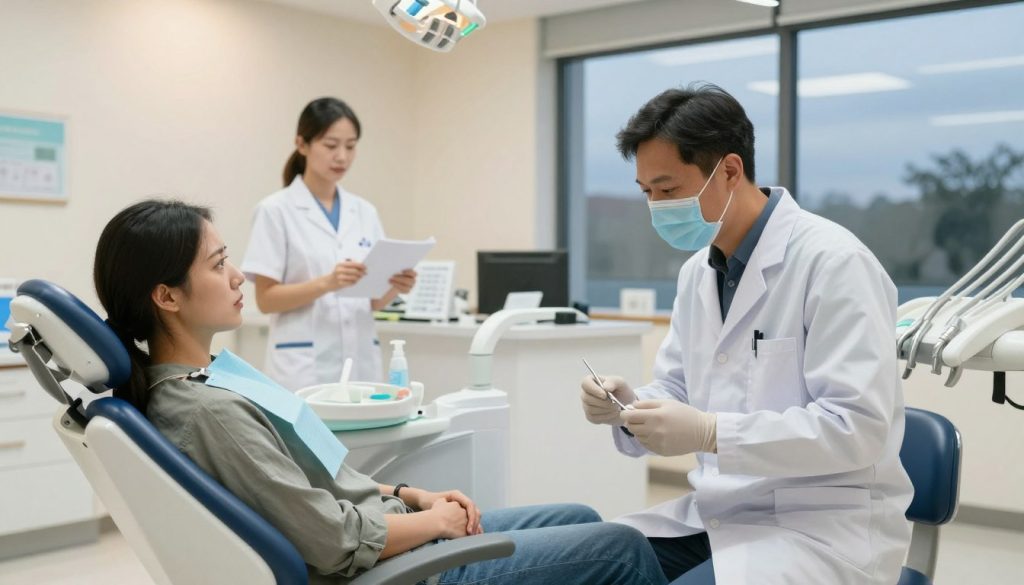
How to protect a knocked-out or damaged tooth
If you need to see a knocked-out tooth dentist, time is of the essence. Handle the tooth only by the crown, never by the root, to avoid damaging the delicate tissues needed for reattachment.
Keep the tooth moist by placing it in a small container of milk or saliva. If you cannot keep it in your mouth, ensure it stays hydrated until you reach the clinic.
Foods, drinks, and habits to avoid before treatment
Avoid chewing on the side of your mouth where the injury occurred to prevent further trauma. Steer clear of extremely hot or cold beverages, as these can trigger sharp pain in exposed nerves or damaged enamel.
If you are experiencing uncontrolled dental bleeding, avoid rinsing your mouth vigorously or using straws. These actions can dislodge blood clots and delay the natural healing process.
- Avoid hard, crunchy, or sticky foods that could break a tooth further.
- Refrain from smoking or using tobacco products, which can irritate sensitive tissues.
- Do not attempt to “fix” a broken tooth with household glue or tools.
Why antibiotics and leftover prescription medication may not be appropriate
It is tempting to use leftover medication to stop pain, but this is often ineffective and potentially dangerous. Antibiotics are designed for specific bacterial infections and may not address the root cause of your current dental emergency.
Taking the wrong medication can mask symptoms, making it harder for your dentist to diagnose the problem accurately. Always wait for a professional assessment before starting any new treatment or medication regimen.
How 24-Hour Emergency Dental Appointments Work
Knowing what to expect when you visit a 24-hour emergency dentist can help ease your anxiety during a painful situation. While every clinic has its own specific protocols, most follow a structured path to ensure you receive the best possible care as quickly as possible.
What happens during the initial phone assessment
The process typically begins with a phone call to gather vital information about your condition. The staff will ask specific questions regarding the location of your pain, the presence of swelling, any bleeding, and how long the symptoms have persisted.
Providing clear, honest answers helps the team prepare the office for your arrival. This initial screening allows them to prioritize patients based on the severity of their dental emergency.
What to bring to an overnight or same-day appointment
When you arrive for your visit, efficiency is key. You should bring a valid photo ID, your dental insurance card, and a list of any medications you are currently taking.
If you have a record of recent dental work or X-rays, having those available can also be very helpful. Being prepared allows the staff to focus entirely on your immediate comfort and treatment needs.
How the dentist examines the source of the emergency
Once you are in the chair, the dentist will perform a focused clinical examination. They will look for visible signs of trauma, decay, or infection to identify the root cause of your discomfort.
This exam is thorough yet gentle, as the dentist understands you are likely in significant pain. They will listen to your description of the symptoms to ensure nothing is overlooked during the assessment.
When diagnostic imaging or additional testing may be needed
In many cases, a visual inspection is not enough to see the full picture. The dentist may order digital X-rays to check for hidden abscesses, fractures, or bone damage that cannot be seen with the naked eye.
These images are essential for creating an accurate diagnosis. They allow the professional to determine the safest and most effective way to address your specific dental issue.
Why the first visit may focus on stabilizing the problem
It is important to set realistic expectations for overnight dental care. The primary goal of an emergency visit is to stop the pain and stabilize the situation to prevent further damage.
While the dentist will provide immediate relief, complete restorative work—such as permanent crowns or complex root canals—may require a follow-up appointment. Your long-term oral health remains the ultimate priority, and the emergency visit serves as the vital first step in your recovery.
Emergency Treatments Available Around the Clock
When a dental emergency strikes, knowing that professional help is available at any hour provides immense relief. You do not have to endure oral pain alone, as emergency services are designed to stabilize your condition immediately.
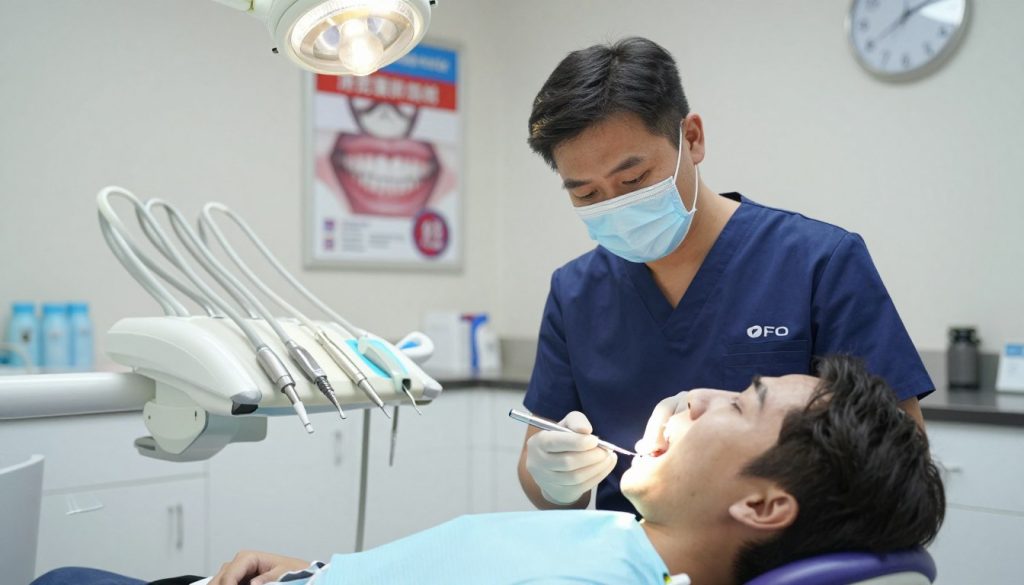
Pain relief and treatment for dental infections
If you are suffering from a throbbing ache, severe toothache treatment is the first priority to restore your comfort. Dentists will assess the area to identify the source of the pain, which often stems from deep decay or abscesses.
Effective dental infection treatment is crucial to prevent the spread of bacteria. Your dentist may drain an abscess or provide medication to reduce swelling and stop the infection from worsening.
Temporary and permanent repairs for damaged teeth
A broken tooth emergency requires quick action to prevent further structural damage. Depending on the severity, the dentist may apply a temporary bonding agent or a protective cover to shield the exposed nerves.
These temporary measures ensure the tooth remains stable until a permanent solution can be crafted. Your comfort is the primary goal during these late-night visits.
Emergency extractions and options for preserving a tooth
Sometimes, an emergency tooth extraction becomes necessary if a tooth is too damaged to be saved. However, dentists always prioritize saving your natural teeth whenever possible.
They will evaluate the surrounding bone and tissue health before deciding on an extraction. If the tooth can be salvaged, they will perform the necessary stabilization procedures to keep it in place.
Care for knocked-out teeth and soft-tissue injuries
Time is of the essence when you visit a knocked-out tooth dentist for an avulsed tooth. If you arrive quickly, there is a much higher chance that the tooth can be successfully replanted.
Emergency teams also provide care for soft-tissue injuries, such as lacerations to the gums or cheeks. They will clean the wound and use sutures if needed to promote proper healing.
Repair or replacement of lost crowns, fillings, and dentures
Dealing with a lost filling emergency can be stressful, but it is a common issue that dentists handle regularly. They can replace the lost material or provide a temporary crown to protect the vulnerable tooth structure.
This prevents debris from entering the cavity and keeps you pain-free. Restoring your dental function is essential for your daily quality of life.
How follow-up treatment may be scheduled after nighttime care
Nighttime care is primarily focused on stabilizing the emergency and managing your immediate symptoms. Once the situation is under control, the dentist will coordinate a follow-up appointment.
This subsequent visit allows for permanent repairs, such as custom-made crowns or long-term restorative work. You will leave the clinic with a clear plan for your continued oral health recovery.
How to Choose the Right Emergency Dental Clinic
Navigating the search for an emergency dentist Liverpool requires a clear strategy to ensure you receive quality treatment during a stressful time. When you are in pain, making an informed decision helps you avoid further complications and ensures you get the care you need quickly.
Checking opening hours, response times, and appointment access
True 24-hour availability is rare, so you must verify if a clinic actually offers overnight services or just an answering machine. Look for facilities that provide clear information regarding their specific operating hours and how they handle after-hours inquiries. A responsive clinic will prioritize your call and provide a realistic timeframe for when you can be seen.
Evaluating dentist qualifications and emergency treatment experience
Not every general practitioner is equipped to handle complex trauma or severe infections. You should check if the staff has specific experience in urgent care procedures, such as extractions or managing acute dental infections. Qualified professionals will be able to stabilize your condition effectively while keeping you comfortable.
Looking for clear communication and compassionate patient support
A high-quality emergency dental clinic will communicate openly about what to expect during your visit. Compassionate staff members understand that you are likely anxious and will take the time to explain your treatment options clearly. This level of support is vital when you are dealing with sudden, intense dental pain.
Confirming accessibility, parking, transportation, and after-hours entry
Before you head out, confirm the logistics of your visit to avoid unnecessary delays. Check if the clinic has dedicated parking or if it is located near reliable public transportation routes. If you are arriving late at night, ensure you know exactly how to access the building, as some offices have specific security protocols for after-hours entry.
Recognizing trustworthy information on clinic websites and listings
Be wary of websites that make vague promises about 24-hour care without providing specific contact details or physical addresses. Trustworthy providers maintain consistent, updated information across their digital platforms. If a listing lacks a clear address or verified patient reviews, it is often safer to look for a more established practice.
| Feature | Reliable Clinic | Unverified Provider |
|---|---|---|
| Response Time | Immediate or within 30 mins | Delayed or no response |
| Transparency | Clear pricing and process | Vague or hidden details |
| Accessibility | Easy parking and entry | Difficult to locate |
| Experience | Emergency-focused staff | General practice only |
Emergency Dental Costs, Insurance, and Payment Options
Managing emergency dental costs should not add extra stress to an already painful situation. When you face a sudden oral health crisis, knowing how to navigate the financial aspect can help you focus on your recovery.
What can affect the price of an urgent dental visit
Several factors influence the final bill for an emergency appointment. The time of day, the complexity of the procedure, and the need for specialized diagnostic imaging often play a significant role in the total expense.
Urgent care services frequently carry a higher fee than routine checkups due to the immediate availability of staff and resources. It is helpful to understand that these costs reflect the specialized nature of after-hours medical attention.
How examinations, X-rays, procedures, and prescriptions may be billed
Clinics often itemize their services to provide transparency. You might find that the initial examination, digital X-rays, and specific treatments are billed as separate line items on your final invoice.
Always ask if the cost of a prescription or a follow-up visit is included in the initial quote. Being clear about these details early on prevents surprises when it is time to settle your account.
| Service Category | Typical Billing Focus | Cost Variable |
|---|---|---|
| Initial Exam | Assessment of pain | Time of service |
| Diagnostic Imaging | X-rays or scans | Number of images |
| Primary Procedure | Extraction or repair | Complexity level |
| Medication | Prescription fees | Type of drug |
Using dental insurance for after-hours treatment
Many patients wonder if their dental insurance emergency visit benefits apply during off-peak hours. While coverage varies by provider, most plans include provisions for urgent care if the treatment is deemed medically necessary.
Contact your insurance company or the clinic’s billing department to verify your coverage. Understanding your benefits before you arrive can simplify the payment process significantly.
Questions to ask about estimates, deposits, and payment plans
Do not hesitate to ask for a clear estimate before any work begins. You should inquire about required deposits and whether the office offers flexible after-hours dentist payment options to help manage the expense.
Many clinics are willing to work with patients to create a manageable payment plan. Open communication is the best way to ensure you receive the care you need without undue financial strain.
How to avoid delaying necessary care because of cost concerns
Delaying treatment for a dental emergency often leads to more severe problems and higher costs in the long run. If you are worried about emergency dental costs, speak with the office staff immediately about your financial situation.
Most dental professionals prioritize your health and will help you explore all available options. Your well-being is the primary goal, and most offices are committed to finding a solution that works for you.
Getting to an Emergency Dentist Safely at Night
When dental pain strikes after dark, your primary focus should be reaching an emergency dentist Liverpool safely. Navigating the city during late hours requires a calm approach, especially when you are already dealing with significant discomfort or stress. Prioritizing safe travel to dentist at night ensures that you arrive at your appointment without further complications.
Planning transportation when pain or swelling affects concentration
Severe tooth pain or facial swelling can significantly impair your ability to focus on the road. If you feel distracted, dizzy, or overwhelmed by pain, do not attempt to drive yourself. Instead, consider these alternatives to ensure you reach your destination securely:
- Ask a trusted friend or family member to accompany you.
- Use a reliable ride-sharing service or a local taxi company.
- Check if a neighbor is available to assist you on short notice.
What to do if you are traveling from outside Liverpool
If you are commuting from outside the city, the journey may take longer than expected. Map out your route in advance and account for potential road closures or construction. It is helpful to have the clinic’s phone number saved in your contacts so you can provide updates if you are running late.
Preparing for weather, parking, and limited overnight public transportation
Nighttime travel often involves reduced public transit options and unpredictable weather conditions. Always check the local forecast before you leave your home. If you are driving, verify that the clinic has designated parking or identify nearby secure lots to avoid walking long distances in the dark.
When someone else should drive you or call emergency services
There are specific situations where you should never get behind the wheel. If you have taken strong pain medication that causes drowsiness, or if your swelling is severe enough to affect your vision, please arrange for someone else to drive. If you experience symptoms like difficulty breathing, high fever, or uncontrollable bleeding, call emergency services immediately rather than attempting to reach an emergency dentist Liverpool on your own.
Preventing Repeat Dental Emergencies After Treatment
Once your immediate dental pain is managed, the real work of maintaining your oral health begins. While an emergency visit provides essential stabilization, it is rarely the final step in your treatment journey. Focusing on preventing dental emergencies in the future will save you time, money, and unnecessary discomfort.
Completing recommended follow-up care
Emergency dentists often provide temporary solutions to stop pain or infection. You must schedule and attend all follow-up appointments to address the root cause of the problem. Ignoring these visits can lead to recurring issues that are often more complex and expensive to treat later.
Protecting repaired teeth during recovery
After a procedure, your teeth and gums need time to heal properly. Avoid chewing hard, sticky, or crunchy foods that could dislodge a temporary filling or crown. Following your dentist’s specific recovery instructions is the best way to ensure your repair lasts.
Building daily brushing, flossing, and dental checkup habits
Consistent oral hygiene is the foundation of preventing dental emergencies. Brush twice daily with fluoride toothpaste and floss at least once to remove plaque from hard-to-reach areas. Regular professional cleanings allow your dentist to spot potential decay before it turns into a painful emergency.
Handling sports injuries, grinding, and other preventable risks
Many dental crises result from avoidable accidents or chronic habits. If you play contact sports, always wear a custom-fitted mouthguard to protect your teeth from impact. For those who suffer from bruxism, or teeth grinding, a night guard can prevent significant wear and fractures over time.
| Risk Factor | Preventative Action | Frequency |
|---|---|---|
| Tooth Decay | Daily Flossing | Every Night |
| Sports Impact | Mouthguard Use | During Activity |
| Teeth Grinding | Night Guard | Every Night |
| Gum Disease | Professional Cleaning | Every 6 Months |
When to contact the dentist again after emergency treatment
Even with the best care, complications can sometimes arise. You should contact your dental office immediately if you experience persistent swelling, fever, or uncontrolled bleeding. If your pain returns or a repair feels loose, do not wait for your next scheduled checkup to seek professional advice.
Conclusion
Dental emergencies often strike when you least expect them, but knowing how to react makes a significant difference. Recognizing early warning signs and keeping contact details for a 24 hours dentist near liverpool handy can save you from unnecessary stress.
You should always prioritize your safety by arranging reliable transportation if pain or swelling clouds your judgment. If you face life-threatening symptoms, seek immediate medical help rather than waiting for a dental office to open.
Finding a qualified emergency dentist Liverpool helps you manage infections, broken teeth, or severe discomfort quickly. These professionals provide the stability you need to recover and return to your daily routine.
Always ask about total costs and potential follow-up care before you leave the clinic. Building a relationship with a local provider ensures you have a plan for preventive care long after your immediate crisis ends. Taking these proactive steps protects your smile and your overall well-being for years to come.