
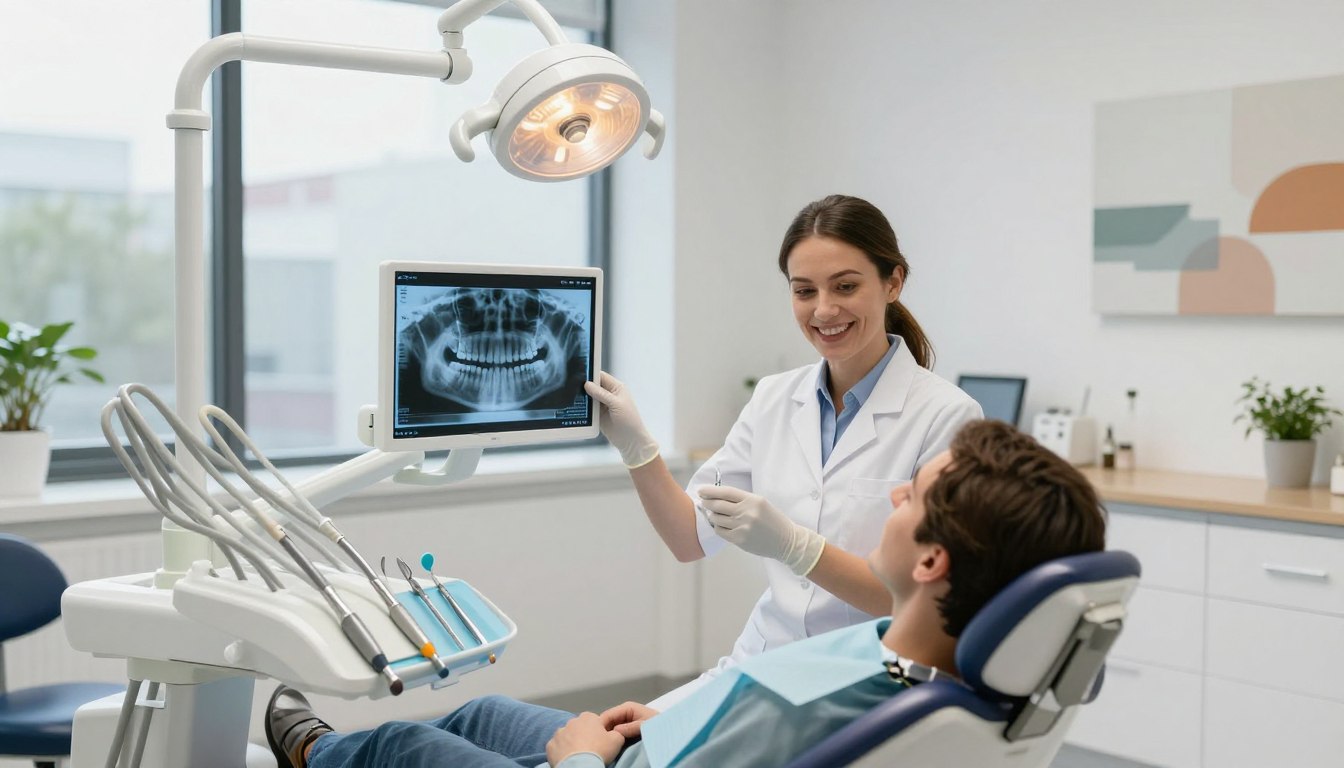
Liverpool emergency dental
Dealing with urgent tooth pain can be an overwhelming experience that disrupts your entire day. Whether you are facing a sudden ache or a broken tooth, knowing where to turn for help is essential for your peace of mind.
This guide serves as a friendly resource for those seeking reliable support when unexpected oral health issues arise. We aim to provide clarity on when you should seek professional care and how to manage your symptoms effectively.
Our goal is to help you navigate the process of finding a Liverpool emergency dental provider with confidence. By understanding the steps involved, you can act quickly to protect your smile and restore your comfort.
Key Takeaways
- Recognize the common signs that require immediate professional attention.
- Learn how to manage severe discomfort while waiting for your appointment.
- Understand the importance of acting fast to prevent further injury.
- Discover how to prepare for your visit to ensure a smooth process.
- Find guidance on identifying qualified local care providers.
Fast Help When You Need Liverpool Emergency Dental Care
Sudden oral pain often disrupts your daily life, but professional support is available right here in Liverpool. When a dental crisis strikes, every minute counts to ensure your comfort and long-term oral health. You do not have to navigate this stressful situation alone.
Why Severe Dental Pain Should Not Wait
Ignoring intense tooth pain can lead to serious complications that affect your entire well-being. Severe discomfort often makes it difficult to eat, speak, or even get a restful night of sleep. Prompt intervention is necessary to stop the pain from worsening and to prevent potential infections from spreading.
When you delay treatment, minor issues can quickly transform into complex health problems. Seeking an emergency dentist Liverpool provider ensures that you address the root cause of your pain before it impacts your daily routine or overall health.
What Emergency Dental Services Can Do Today
Our urgent dental care services are designed to provide immediate relief for a variety of painful conditions. Whether you are dealing with a throbbing toothache, a broken tooth, or a sudden injury, our team is ready to help. We focus on stabilizing your condition and managing your pain effectively.
The following table outlines common situations that require professional attention:
| Condition | Urgency Level | Recommended Action |
|---|---|---|
| Severe Toothache | High | Call for same-day visit |
| Knocked-out Tooth | Critical | Seek immediate care |
| Lost Filling | Moderate | Schedule within 24 hours |
| Minor Gum Swelling | Moderate | Monitor and call dentist |
How to Request an Urgent Appointment
When you call for assistance, being clear about your symptoms helps us prioritize your needs. Describe exactly where the pain is located and how long you have been experiencing it. Friendly assistance is always available to guide you through the process of securing an appointment.
Do not hesitate to reach out as soon as you notice a problem. By providing accurate details about your situation, you help our staff prepare the right urgent dental care for your arrival. We are committed to helping you feel better as quickly as possible.
How to Tell If You Have a Dental Emergency
Recognizing the signs of a dental emergency is the first step toward getting the relief you need. While some oral issues can wait for a standard check-up, others require immediate professional intervention to prevent long-term damage.
Severe or Persistent Tooth Pain
If you are experiencing severe tooth pain that keeps you awake at night or prevents you from eating, it is time to seek help. This level of discomfort often indicates an underlying issue like deep decay or nerve damage. Do not ignore pain that persists despite over-the-counter medication.
Swelling, Abscesses, and Signs of Infection
Swelling in the gums, face, or neck is a major red flag. These symptoms often point to an infection that requires prompt dental abscess treatment to stop it from spreading. If you notice a pimple-like bump on your gums or have a fever, contact a professional immediately.
Broken, Cracked, or Knocked-Out Teeth
A tooth that has been knocked out or severely fractured is a time-sensitive situation. Time is of the essence when trying to save a natural tooth. Keep the tooth moist and reach out to a clinic as soon as possible to increase the chances of successful re-implantation.
Uncontrolled Bleeding or Soft-Tissue Injuries
Injuries to the lips, tongue, or cheeks that result in heavy bleeding are serious. If you have a deep laceration that does not stop bleeding after applying pressure for ten minutes, you need urgent care. These injuries can be painful and may require stitches to heal properly.
When a Dental Problem Requires the Emergency Room
Sometimes, a dental issue becomes a medical emergency. If you have difficulty breathing, swallowing, or if the swelling is closing your airway, head to the nearest emergency room. These symptoms suggest a systemic infection that goes beyond a standard dental emergency.
| Symptom | Urgency Level | Recommended Action |
|---|---|---|
| Mild sensitivity | Low | Schedule routine visit |
| Severe tooth pain | High | Call emergency dentist |
| Facial swelling | Critical | Seek immediate care |
| Knocked-out tooth | High | Visit dentist within 1 hour |
What to Do Before You Reach an Emergency Dentist
When a dental emergency strikes, the minutes before you reach the office are critical for your long-term oral health. Taking calm and decisive action can help stabilize your condition and improve the chances of a successful recovery.
Rinse and Protect the Affected Area
Start by gently rinsing your mouth with warm salt water to clean the area and reduce bacteria. This simple step helps soothe irritation and provides a clearer view of the injury.
If you have swelling, apply a cold compress to the outside of your cheek. Keep the compress on for ten minutes at a time to minimize discomfort and keep inflammation under control.
Managing Pain Safely Until Your Appointment
Over-the-counter pain relievers like ibuprofen or acetaminophen are usually effective for managing toothaches. Always follow the dosage instructions on the bottle to ensure your safety.
Avoid placing aspirin directly against the gums near the painful tooth. This can cause a chemical burn on your soft tissue, which only adds to your overall pain and irritation.
Preserving a Knocked-Out or Broken Tooth
If you are dealing with a knocked-out tooth, handle it only by the crown, never the root. Gently rinse off any debris with water, but do not scrub the surface.
Try to place the tooth back into the socket if possible, or keep it moist in a small container of milk or your own saliva. Quick action is vital for successful broken tooth repair, so get to the dentist as soon as you can.
Actions That Can Make a Dental Injury Worse
Never attempt to fix a dental injury with household tools or superglue. These items are not sterile and can cause severe damage to your teeth and gums.
Do not ignore the injury or wait for the pain to subside on its own. Delaying professional care often leads to complications that make the final treatment more complex and costly.
Emergency Treatments Available for Tooth Pain and Dental Injuries
Understanding the specific nature of your dental injury is the first step toward finding relief. When you arrive for an urgent visit, our primary goal is to stabilize your condition and alleviate your discomfort as quickly as possible.
Emergency Examination and Digital X-Rays
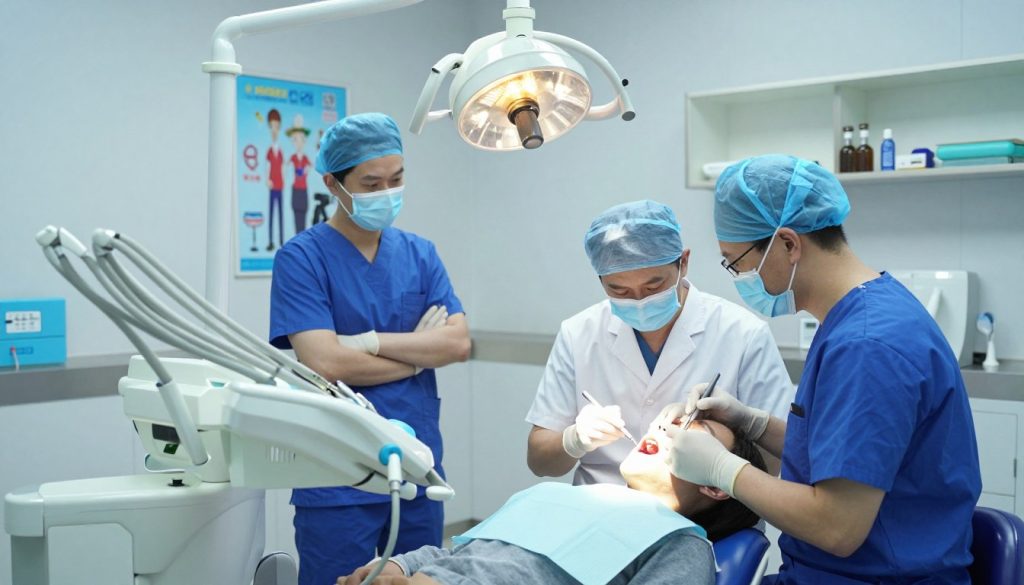
Every emergency dental treatment begins with a comprehensive examination. We use high-resolution digital X-rays to see beneath the surface of your gums and teeth. This allows us to pinpoint hidden fractures, deep decay, or internal infections that are causing your pain.
Drainage and Treatment for Dental Abscesses
If you have a painful swelling or an abscess, immediate intervention is necessary to stop the spread of infection. We often perform a localized drainage procedure to release pressure and remove harmful bacteria. This step is essential for reducing swelling and preventing further complications.
Temporary or Permanent Repairs for Broken Teeth
Structural damage from a fall or a hard bite requires swift attention to protect the sensitive inner layers of the tooth. Depending on the severity of the fracture, we may apply a temporary bonding agent or a protective seal. These measures help stabilize the tooth until a permanent restoration can be placed.
Emergency Tooth Extractions
Sometimes, a tooth is too damaged or infected to be saved. In these cases, an emergency tooth extraction is the safest way to eliminate pain and protect your surrounding oral health. We prioritize your comfort throughout the entire process to ensure a smooth experience.
Root Canal Treatment for an Inflamed or Infected Tooth
When the pulp inside your tooth becomes infected, a root canal treatment is often the best way to resolve the issue. This procedure removes the diseased tissue, cleans the interior of the tooth, and seals it to prevent future problems.
When a Root Canal May Save the Natural Tooth
Choosing this procedure allows you to keep your natural tooth structure intact. By clearing out the infection, we can often restore the tooth to full function with a crown. This is usually preferred over losing the tooth entirely.
What to Expect During Short-Term Pain Relief
If a full procedure cannot be completed immediately, we focus on short-term pain relief. This might include medicated dressings or temporary fillings to soothe the nerve. Our team ensures you are comfortable while we plan your next steps.
Replacing Lost Fillings, Crowns, and Dental Bridges
Losing a restoration can leave your tooth vulnerable to sensitivity and further decay. We provide quick replacements for lost fillings, crowns, or bridges to restore your bite. Whether you need a temporary fix or a new permanent piece, we offer reliable root canal treatment alternatives and restorative care to get you back to normal.
What Happens During an Urgent Dental Visit
Understanding the steps of an emergency visit can help you feel more prepared when you need a same-day dentist. We prioritize your comfort and clarity from the moment you arrive, ensuring that you feel supported throughout the entire process.
Sharing Your Symptoms and Medical History
Your appointment begins with a brief intake process where we gather essential information. You will be asked to describe your symptoms, including when the pain started and what triggers it.
It is vital to provide an accurate medical history, including any current medications, allergies, or underlying health conditions. This information allows our team to provide safe, effective care tailored to your specific needs.
Assessing Pain, Swelling, and Tooth Damage
Once we understand your history, our team performs a thorough clinical evaluation. We use digital imaging to pinpoint the source of your discomfort, whether it is a hidden infection or a structural fracture.
We carefully examine the affected area for signs of swelling, abscesses, or trauma. This diagnostic phase is crucial for creating a precise plan for your urgent dental appointment.
Choosing Immediate Treatment Versus Follow-Up Care
After the assessment, we discuss the findings with you in plain language. We will explain whether your condition requires an immediate procedure or if we can stabilize the area for a follow-up visit.
Our goal is to provide immediate relief whenever possible. We ensure you understand all your options so you can make an informed decision about your oral health.
Understanding Anesthesia, Comfort Measures, and Recovery
Your comfort is our top priority during any procedure. We offer various anesthesia options to ensure you remain pain-free while we address your dental emergency.
Our staff will walk you through every step of the treatment, explaining what to expect during recovery. We provide clear instructions to help you manage any lingering tenderness once you return home.
| Emergency Condition | Typical Assessment | Common Treatment |
|---|---|---|
| Severe Toothache | Digital X-Ray | Root Canal or Extraction |
| Broken Tooth | Visual Inspection | Bonding or Crown |
| Dental Abscess | Swelling Check | Drainage and Antibiotics |
| Lost Filling | Bite Analysis | Temporary Restoration |
Whether you need a same-day dentist for a sudden injury or a persistent ache, we are here to help. Scheduling an urgent dental appointment ensures you receive the professional care you deserve without unnecessary delay.
How to Find the Right Liverpool Emergency Dental Provider
Choosing a reliable emergency dental clinic in Liverpool requires a bit of preparation before an accident happens. When you are in pain, you need a team that acts quickly and treats you with kindness. Having a plan in place ensures you get the help you need without unnecessary stress.
Confirming Same-Day or After-Hours Availability
Dental emergencies rarely happen during standard business hours. You should look for a practice that offers flexible scheduling to accommodate urgent needs. Verify if they provide access to an after-hours dentist who can handle sudden trauma or severe infections outside of the typical nine-to-five window.
Checking the Office Location and Travel Requirements
When you are dealing with a throbbing tooth or a broken crown, you do not want to travel long distances. Prioritize clinics that are centrally located or easily accessible via public transport in Liverpool. Knowing the exact travel time helps you manage your expectations when you are in discomfort.
Asking About Emergency Services Before You Arrive
Not every office is equipped to handle all types of dental trauma. Before you head out, call the office to confirm they manage specific issues like abscesses, knocked-out teeth, or severe soft-tissue injuries. This simple step prevents wasted trips and ensures you receive the specialized care required for your specific situation.
Finding a Friendly Dentist for Children, Adults, and Anxious Patients
A positive environment makes a world of difference when you are already feeling vulnerable. Look for a team that prioritizes patient comfort and offers sedation options for those who feel nervous. A compassionate after-hours dentist will take the time to explain every step of the procedure to keep you calm.
| Feature | What to Look For | Why It Matters |
|---|---|---|
| Availability | Same-day or 24/7 access | Immediate pain relief |
| Location | Proximity to your home | Reduces travel stress |
| Services | Comprehensive trauma care | Ensures proper treatment |
| Environment | Friendly, calm staff | Helps anxious patients |
Emergency Dental Costs, Insurance, and Payment Options
Navigating dental costs during a crisis can feel overwhelming, yet knowing your options provides peace of mind. When you are in pain, your primary focus should be on getting relief, not worrying about the bill. Understanding how pricing works helps you make informed decisions quickly.
Factors That Affect the Cost of Urgent Dental Treatment
The final price of your visit depends on the specific procedures required to stabilize your oral health. An emergency examination and digital X-rays are typically the first steps to diagnose the underlying issue. These diagnostic tools are essential for creating an accurate treatment plan.
Additional expenses may arise from anesthesia, specialized repairs, or surgical extractions. If an infection is present, you might also need prescriptions for antibiotics or pain management. Every situation is unique, so costs vary based on the complexity of the care provided.
Questions to Ask About Insurance Coverage and Copayments
Before your treatment begins, it is helpful to clarify your dental insurance coverage with the office staff. You should ask if the practice is in-network with your provider to maximize your benefits. Understanding your expected copayments or deductibles prevents surprises later.
Consider asking the following questions to gain clarity:
- Does my plan cover emergency exams and X-rays?
- What is my estimated out-of-pocket responsibility for this procedure?
- Do you handle the insurance claims process for me?
- Are there any pre-authorization requirements for urgent care?
Payment Plans and Self-Pay Care
If you do not have insurance or if your plan has limited coverage, many offices offer flexible solutions. Most providers accept major credit cards and offer third-party financing options to break down large expenses into manageable monthly payments. Do not hesitate to ask about these programs during your initial call.
Self-pay pricing is often available for patients without coverage. Ask the office for a clear estimate of the total cost before any work starts. Many clinics are happy to discuss deposits or payment arrangements to ensure you receive the care you need without undue financial strain.
Why Delaying Treatment Can Lead to Higher Costs
It is tempting to wait when you are worried about the price of care, but this often leads to more expensive problems. A small cavity or a minor crack can quickly turn into a severe infection or a total tooth loss. Addressing the issue early is almost always more affordable than treating a complex, advanced condition later.
When you ignore persistent pain, you risk needing more invasive procedures like root canals or surgical extractions. By seeking help immediately, you protect your smile and your wallet from the long-term consequences of neglected dental health.
Recovery and Prevention After Emergency Dental Treatment
Your journey toward a healthy smile does not end when you leave the dental chair. Proper aftercare is essential to ensure a smooth dental recovery and to protect the work performed during your visit.
Following Temporary Treatment Instructions
If your dentist placed a temporary filling or crown, it is vital to follow their specific care instructions. These temporary materials are often not as strong as permanent restorations. Avoid chewing sticky or hard foods on the side of the temporary fix to prevent it from dislodging.
Eating, Brushing, and Managing Tenderness During Recovery
It is normal to feel some tenderness after an emergency procedure. Stick to a soft-food diet for the first few days to give your gums and teeth time to settle. When brushing, use a soft-bristled toothbrush and be extra gentle around the treated area to avoid irritation.
Recognizing Warning Signs After an Emergency Visit
While some discomfort is expected, you should monitor your mouth for any unusual changes. Contact your dentist immediately if you experience any of the following:
- Persistent or worsening pain that medication does not relieve.
- Significant swelling in the face or jaw.
- Signs of infection, such as fever or foul-tasting drainage.
- Bleeding that does not stop after applying pressure.
Completing Recommended Follow-Up Treatment
Emergency care often addresses the immediate pain but may not be the final solution. Completing your follow-up appointments is crucial to finalize your treatment and ensure long-term oral health. Skipping these visits can lead to recurring pain or more complex issues later.
Preventing Future Dental Emergencies
Taking proactive steps is the best way to prevent dental emergencies from happening again. Consistent habits help maintain the strength of your teeth and gums over time.
Using a Mouthguard for Sports and Teeth Grinding
If you play contact sports, a custom-fitted mouthguard is your best defense against broken or knocked-out teeth. Similarly, if you suffer from bruxism, wearing a night guard can protect your enamel from the damage caused by grinding while you sleep.
Protecting Teeth With Regular Checkups and Daily Care
Routine dental exams allow your dentist to spot small problems before they become painful emergencies. Combine these checkups with daily flossing and brushing to keep your smile healthy and strong. By staying consistent, you can effectively prevent dental emergencies and enjoy a lifetime of better oral health.
Conclusion
Dental pain often signals that your body needs immediate attention. Ignoring signs like persistent toothaches, swelling, or broken teeth can lead to complex health issues. Seeking professional emergency dental care prevents minor problems from turning into expensive or painful complications.
You deserve fast relief when a dental crisis strikes. Our team provides urgent dental help to restore your comfort and protect your oral health. We focus on gentle, effective solutions for patients facing unexpected injuries or infections.
Call our office today to schedule your visit. Taking quick action ensures you receive the right treatment before your condition worsens. Follow all recovery instructions provided by your dentist to maintain your results and prevent future issues. Your smile is a priority, and we are ready to support your journey toward lasting dental wellness.
