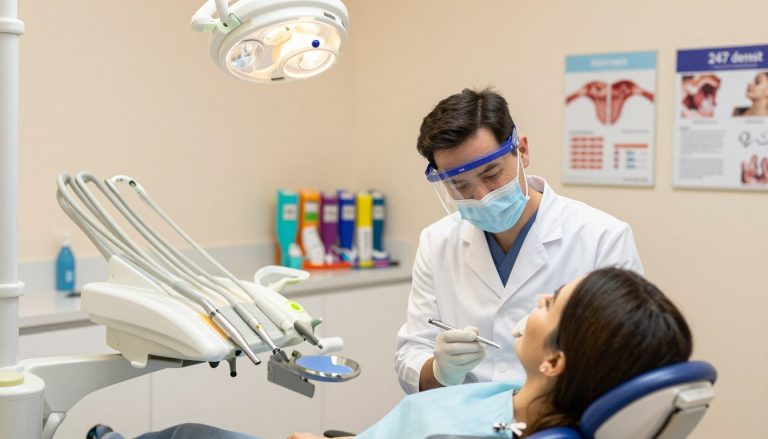

24hr dentist
Dealing with a sudden toothache or a broken tooth can be incredibly stressful, especially when it happens outside of normal business hours. Finding a 24hr dentist in the United States is essential when you require immediate relief from severe oral pain. This guide serves as your friendly companion to help you navigate the process of securing urgent care quickly.
We understand that dental emergencies often strike at the most inconvenient times. Whether you are facing a knocked-out tooth or an intense infection, knowing where to turn makes a world of difference. Our goal is to provide you with clear, actionable advice to get you back to feeling your best.
Throughout this article, we will explore common emergency symptoms and the treatments available to manage them. You will also learn how to locate a reliable emergency dentist, what costs to anticipate, and the best practices for post-treatment care. Let us help you take the guesswork out of your urgent dental needs.
Key Takeaways
- Identify the common signs that require immediate professional attention.
- Learn how to locate a reputable practitioner in your local area.
- Understand the typical costs associated with after-hours care.
- Discover effective ways to manage pain while waiting for your appointment.
- Follow essential recovery steps to ensure your smile heals properly.
When to Call a 24hr Dentist for Urgent Dental Care
Knowing when to seek urgent dental care can be the difference between saving a tooth and losing it. While many oral issues can wait for a standard office visit, some situations require immediate professional intervention to prevent long-term damage.
Dental pain that needs prompt attention
A severe toothache is often the body’s way of signalling that something is fundamentally wrong. If your pain is intense, throbbing, or prevents you from sleeping, it is likely more than a minor sensitivity.
Persistent discomfort that does not respond to over-the-counter medication should be treated as a dental emergency. Ignoring this pain can lead to the rapid spread of infection, which may become much harder to treat later.
Signs of a serious dental emergency
Certain symptoms indicate that your condition has moved beyond a simple cavity or minor irritation. Recognising these red flags early is essential for your overall health and safety.
Facial swelling, fever and difficulty swallowing
If you notice swelling in your face, jaw, or neck, you must seek emergency dental treatment immediately. This swelling often points to a deep-seated infection that could potentially obstruct your airway.
A fever accompanying oral pain is a major warning sign that your body is fighting a systemic infection. If you find it difficult to swallow or breathe, please head to the nearest emergency facility without delay.
Uncontrolled bleeding and severe infection symptoms
Uncontrolled bleeding after an injury or a tooth extraction is a clear sign that you need urgent help. If you have a persistent metallic taste in your mouth or notice pus near a tooth, these are indicators of a serious infection.
Do not wait for these symptoms to resolve on their own. Quick action is necessary to stop the spread of bacteria and protect your surrounding tissues.
When a dental problem can wait for a routine appointment
Not every issue requires an emergency visit. Minor concerns, such as a small chip in a tooth that is not causing pain or mild sensitivity to cold, can usually wait for a scheduled appointment.
If you have lost a small piece of a filling but are not experiencing discomfort, you can safely wait a few days. However, it is always wise to call your regular dentist to describe your symptoms and confirm if your situation requires urgent dental care or if it can be managed during normal business hours.
What a 24hr Dentist Can Treat
When a dental emergency strikes, knowing exactly what a 24hr dentist can treat provides peace of mind. These professionals are equipped to handle a wide variety of urgent oral health issues that simply cannot wait for a standard business-hours appointment. Prompt assessment is vital to protect your smile and manage discomfort effectively.
Severe toothaches and suspected dental infections
A persistent, throbbing toothache often signals an underlying dental infection that requires immediate intervention. If you notice a fever or difficulty swallowing alongside your pain, seek help right away. Early treatment prevents the spread of bacteria to other parts of your body.
Broken, cracked and knocked-out teeth
A broken tooth can be a frightening experience, but emergency dentists have the tools to stabilise the area quickly. Whether you have a hairline fracture or a significant chip, professional care prevents further structural damage.
What to do after losing a permanent tooth
If you suffer a knocked-out tooth, time is of the essence. Handle the tooth by the crown, not the root, and keep it moist in milk or saliva while you travel to the clinic.
“Time is the most critical factor in saving a knocked-out tooth,”
note many dental trauma experts.
Lost fillings, crowns and dental bridges
Losing a restoration can leave your tooth sensitive and vulnerable to decay. A lost filling or crown should be replaced as soon as possible to seal the tooth from bacteria. Your dentist will assess the underlying structure to ensure the repair is secure and durable.
Dental abscesses and swollen gums
A dental abscess is a serious condition that manifests as a painful, pus-filled pocket near the root of a tooth. Swollen gums are often a primary indicator of this infection. Emergency drainage and antibiotics are usually necessary to resolve the issue and prevent systemic health complications.
Soft-tissue injuries and bleeding
Injuries to the tongue, cheeks, or gums can cause significant bleeding that is difficult to control at home. An emergency dentist can provide sutures or specialised dressings to stop the bleeding and promote healing. Keeping the area clean is essential until you reach the clinic.
Emergency care for braces, dentures and dental appliances
Broken wires on braces or fractured dentures can cause painful sores and disrupt your daily life. Emergency services provide temporary fixes to ensure your appliances remain functional and comfortable. Do not attempt to glue these items yourself, as household adhesives can be toxic or cause permanent damage to the device.
How to Find a Reliable 24hr Dentist in the United States
When a dental emergency strikes, knowing exactly how to locate professional help can save you time and discomfort. Navigating the search for an emergency dentist near me is much easier when you follow a structured approach to verify the quality and availability of local clinics.
Search for local emergency dental services
Start by using reputable online search engines or dedicated healthcare directories to find providers in your immediate area. Look for clinics that explicitly advertise 24hr dentist services to ensure they are equipped for after-hours care. Always verify the physical address to confirm the practice is within a reasonable driving distance.
Check opening hours and same-day appointment availability
Not every clinic that claims to be open late offers true 24-hour coverage. Call the office directly to confirm their current operating hours and ask if they provide same-day dentist appointments for urgent cases. This step prevents unnecessary travel to a facility that may be closed or fully booked.
Confirm the practice treats your type of emergency
Different dental offices have varying levels of expertise regarding urgent care. Some practices focus on general dentistry and may not be equipped to handle complex issues like facial trauma or severe abscesses. It is essential to describe your symptoms clearly over the phone so the staff can confirm they have the necessary tools and specialists on-site.
Review qualifications, patient support and infection-control standards
A high-quality 24hr dentist will maintain rigorous safety protocols to protect their patients. Check if the practice is accredited and look for online reviews that mention their cleanliness and bedside manner. A professional team should offer clear communication and support throughout your visit.
Ask whether the dentist accepts your dental insurance
Financial clarity is vital during a stressful dental emergency. Before you head to the clinic, ask the receptionist if they accept your specific insurance plan or if they offer alternative payment arrangements. Many offices provide financing options to help manage the costs of urgent procedures.
Know when an emergency department is more appropriate
There are specific situations where a dental office is not the right place for your needs. If you are experiencing life-threatening symptoms, you must seek help at a hospital immediately.
Medical emergencies involving breathing, swallowing or major trauma
If you have difficulty breathing, trouble swallowing, or have suffered a major facial injury, go to the nearest hospital emergency department. These symptoms often indicate a systemic issue that requires a medical doctor’s intervention rather than just dental care.
How emergency departments and dentists work together
In many cases, hospital staff and dentists collaborate to provide comprehensive care. The emergency department can stabilize your condition, while a dentist manages the specific oral injury. The following table outlines when to choose each service:
| Condition | Primary Care Provider | Action Required |
|---|---|---|
| Severe Toothache | Emergency Dentist | Call for same-day visit |
| Difficulty Breathing | Hospital ER | Call emergency services |
| Knocked-out Tooth | Emergency Dentist | Seek immediate care |
| Major Facial Trauma | Hospital ER | Go to the hospital |
What to Expect During an Emergency Dental Appointment
When you face a sudden dental crisis, understanding the clinical process provides much-needed peace of mind. Navigating an emergency dental appointment is often easier when you know exactly how the team will manage your urgent dental care needs from start to finish.
Explaining your symptoms during the initial phone call
Your journey begins with a telephone conversation where you describe your current symptoms. The receptionist or dental nurse will ask about the location of your pain, how long it has lasted, and if you have any swelling or fever.
Be prepared to share your relevant medical history, including any medications you currently take. This information helps the team prioritise your case and prepare the surgery for your arrival.
Urgent examination and diagnostic imaging
Once you arrive, the dentist will perform a focused examination to identify the root cause of your discomfort. They may use digital X-rays or other imaging tools to get a clear view of the underlying structures.
This step is vital for an accurate diagnosis. It ensures that the dentist treats the correct area, especially if you are dealing with a complex issue like a dental abscess.
Options for relieving pain and controlling infection
The primary goal of your visit is to stabilise your condition and provide immediate relief. If an infection is present, the dentist may prescribe antibiotics or perform a procedure to drain the area.
Pain management is also a top priority. Your dentist will discuss local anaesthesia or other methods to ensure you remain comfortable throughout the procedure.
Temporary treatment compared with definitive dental care
It is important to understand that an emergency visit often focuses on stabilisation rather than a permanent fix. While the dentist will resolve the immediate threat, you may need a follow-up visit for a final restoration.
| Treatment Stage | Primary Goal | Outcome |
|---|---|---|
| Emergency Visit | Pain relief & infection control | Stabilised condition |
| Follow-up Visit | Permanent restoration | Full dental function |
| Routine Check-up | Preventative maintenance | Long-term oral health |
Discharge instructions and follow-up planning
Before you leave, the team will provide clear instructions on how to care for your mouth at home. This may include advice on managing minor swelling, dietary restrictions, or how to look after a temporary filling.
You will also discuss the next steps for your definitive treatment. Whether you need a crown, a root canal, or a simple filling, the staff will help you schedule a follow-up appointment with your same-day dentist or your regular practitioner to ensure your smile stays healthy.
What to Do Before Seeing a 24hr Dentist
Taking the right steps immediately after a dental injury helps protect your oral health until you can see a professional. Practising effective dental first aid can reduce your discomfort and improve the chances of a successful repair when you finally reach the clinic.
Safe ways to manage pain while waiting
Using over-the-counter pain relief responsibly
If you are experiencing significant discomfort, you may consider pain relief for toothache using standard medications like ibuprofen or paracetamol. Always follow the dosage instructions on the packaging carefully. Never place aspirin directly against your gums, as this can cause chemical burns to the soft tissue.
Applying a cold compress for swelling or injury
To manage facial swelling, apply a cold compress to the outside of your cheek for 15 minutes at a time. This simple technique helps numb the area and reduces inflammation. Keep the compress wrapped in a thin cloth to protect your skin from direct contact with ice.
Protecting a damaged tooth
Rinsing gently after an injury
If you have a broken tooth, rinse your mouth gently with warm salt water to clean the area. This helps remove debris and reduces the risk of infection. Avoid vigorous swishing, as this may cause further irritation to the exposed nerve or sensitive tissue.
Storing a knocked-out tooth safely
If you have a knocked-out tooth, handle it only by the crown, not the root. Keep the tooth moist by placing it in a small container of milk or your own saliva. Time is critical, so try to reach an emergency dentist within the hour to improve the likelihood of saving the tooth.
Information and items to bring to the appointment
Preparation helps your dentist provide the best care quickly. Please bring a list of your current medications, any known allergies, and your dental insurance details. If you have recent X-rays or a record of your dental history, having these available can also be very helpful.
Dental treatments and home remedies to avoid
It is tempting to try quick fixes, but you should avoid using superglue or household tools to repair a broken tooth. These substances are toxic and can cause permanent damage to your enamel or gums. Furthermore, avoid placing cloves or essential oils directly on an open wound, as these can irritate the sensitive tissues in your mouth.
Emergency Dental Costs, Insurance and Payment Options
Financial concerns should never stand in the way of receiving essential treatment for a dental injury. While emergency dental costs can vary depending on the complexity of the procedure, understanding the billing process helps reduce stress during a difficult time.
Why urgent dental appointments may cost more
An out-of-hours dentist often incurs higher operational expenses to remain available outside of standard business hours. These costs reflect the need for specialized staffing, extended facility access, and the immediate availability of resources required for urgent care.

Questions to ask about consultation and treatment fees
Before you arrive, it is helpful to call the practice to clarify their fee structure. You should ask specifically about the initial consultation fee and whether that price is separate from the cost of the actual procedure.
- What is the base fee for an emergency assessment?
- Are there additional charges for after-hours services?
- Can you provide a written estimate before starting treatment?
Using dental insurance for out-of-hours care
Many patients wonder if their dental insurance will cover an emergency visit. Most plans do provide coverage for urgent care, though the specific benefits depend on your policy details. Always verify if the practice is in-network to maximize your potential savings.
Payment plans, financing and other available options
If you are worried about the total bill, many clinics offer flexible payment solutions. You might consider third-party financing options or monthly payment plans that allow you to manage the expense over time. Don’t hesitate to ask the front desk staff about these arrangements when you book your appointment.
How to prioritise essential treatment when money is limited
When funds are tight, focus on addressing the most critical issues first, such as a severe infection or a lost filling that is causing intense pain. Your dentist can often perform a temporary fix to stabilize the situation, which is usually more affordable than a permanent restoration. Prioritising immediate relief ensures you stay healthy while allowing you to plan for long-term dental work later.
Choosing the Right Emergency Dentist for Your Needs
When a dental emergency strikes, knowing how to choose the right provider makes a significant difference in your recovery. You want a clinic that offers not just technical skill, but also a compassionate environment tailored to your specific situation. Taking a moment to evaluate your options ensures you receive high-quality care during a stressful time.
Finding care for children and anxious patients
If you are seeking an emergency dentist for a child, look for practices that specialise in paediatric care. These clinics often use child-friendly language and distraction techniques to keep young patients calm. For adults who feel nervous, many offices offer a gentle, patient-centred approach to help manage dental phobia effectively.
Accessing services for older adults and people with disabilities
Accessibility is a vital factor for patients with limited mobility or specific health requirements. Ensure the clinic has ground-floor access or elevators to accommodate wheelchairs comfortably. It is also helpful to ask if the staff has experience in providing care for patients with complex medical histories or cognitive impairments.
Arranging care for patients without a regular dentist
You do not need a long-term history with a practice to secure an emergency dental appointment. Many clinics welcome new patients who are experiencing sudden pain or trauma. When you call, clearly explain your symptoms so the team can prioritise your needs and prepare for your arrival.
Checking language, accessibility and transport support
Clear communication is essential for understanding your diagnosis and treatment plan. If English is not your first language, ask if the practice has staff members who speak your preferred language. Additionally, check if the location is near public transport or if they offer information on local parking to make your visit easier.
Understanding sedation and anxiety-management options
Many people find that sedation dentistry helps them feel more relaxed during complex procedures. Ask your chosen emergency dentist near me about options like nitrous oxide or oral sedation. These tools can significantly reduce discomfort and help you stay still while the dentist performs necessary repairs.
Questions that help you choose between nearby practices
When comparing clinics, it is wise to ask specific questions to ensure they meet your needs. Always confirm if they accept your dental insurance to avoid unexpected out-of-pocket expenses. Use the table below to help you evaluate your choices quickly.
| Feature | Standard Clinic | Specialised Emergency Clinic |
|---|---|---|
| Availability | Business hours only | 24/7 or extended hours |
| Anxiety Management | Basic comfort | Advanced sedation options |
| Insurance Support | Limited | Comprehensive billing help |
| Accessibility | Varies | Fully accessible facilities |
By asking about their treatment scope and follow-up care, you can feel confident in your decision. Finding a reliable emergency dentist near me is the first step toward restoring your oral health. Always verify that the practice provides a clear plan for any necessary follow-up visits after your initial emergency dental appointment.
Aftercare and Preventing Another Dental Emergency
Your journey to a healthy mouth does not end when you leave the dentist’s chair. While immediate relief is a great success, proper aftercare is the key to ensuring your recent treatment heals correctly and effectively.
Following treatment instructions at home
Your dentist will provide specific guidance tailored to your procedure. It is vital to follow these instructions closely, whether they involve managing pain with medication or keeping a surgical site clean. Consistency is your best friend during the initial recovery phase.

Recognising symptoms that require another urgent appointment
While some minor discomfort is normal, you must stay alert for signs of a worsening dental infection. If you experience persistent fever, spreading swelling, or pain that does not improve with prescribed medication, contact your dentist immediately. Acting quickly is a form of dental first aid that can save your tooth from further damage.
Scheduling permanent repairs after temporary treatment
Many emergency procedures are designed to be temporary solutions. If you received a temporary filling or crown, you must schedule a follow-up appointment for a permanent restoration. Leaving temporary work in place for too long can lead to leaks, decay, or even a new dental infection.
Building habits that protect teeth and gums
Developing a robust routine is the best way to prevent dental emergencies in the future. Small, daily changes can significantly improve your long-term oral health outcomes.
Daily brushing, flossing and fluoride use
Consistency in your oral hygiene routine is non-negotiable. Brushing twice a day and flossing daily removes plaque that causes decay. Using a fluoride toothpaste strengthens your enamel, providing a strong shield against future issues.
Protecting teeth during sport and physical activity
Accidents happen, but you can reduce the risk of trauma by wearing a custom-fitted mouthguard. Whether you are playing contact sports or cycling, a mouthguard acts as essential dental first aid to cushion your teeth against impact.
Keeping regular dental check-ups to reduce future risks
Routine visits allow your dentist to spot small problems before they become painful emergencies. By staying proactive, you can prevent dental emergencies and keep your smile in top condition. Prevention is always easier and more affordable than emergency intervention.
Conclusion
Dental pain, swelling, and bleeding require immediate professional attention to safeguard your long-term oral health. Whether you face a knocked-out tooth or a severe infection, acting quickly makes a significant difference in your recovery.
Selecting a reliable 24hr dentist ensures you receive quality care when you need it most. Understanding emergency dental costs helps you manage your finances during stressful moments. Clear communication with your provider about fees and insurance coverage provides peace of mind during your visit.
You can take active steps to prevent dental emergencies by maintaining a consistent routine. Regular check-ups with your local dentist identify small issues before they become painful problems. Protective habits, such as wearing mouthguards during sports and avoiding hard foods, keep your teeth strong.
Prioritising your dental hygiene remains the best way to avoid unexpected trips to the clinic. Schedule your next routine exam today to keep your smile healthy and bright. Staying proactive ensures you spend less time in the emergency chair and more time enjoying your life.