

corsetry australia
Finding the perfect fit can feel like a challenge, but corsetry australia offers a unique blend of elegance and precision for shoppers in the United States. Whether you are looking for waist training support or a timeless piece to elevate your personal style, these designs provide unmatched quality and craftsmanship.
We believe that fashion should empower you. Our guide helps you navigate the world of boutique makers who prioritize comfort and durability. By choosing pieces made with care, you invest in a garment that supports your body and boosts your confidence every time you wear it.
Explore how to select the right size and maintain your items for years of enjoyment. We are here to make your shopping experience simple, practical, and rewarding.
Key Takeaways
- Discover the unique benefits of high-quality designs from Down Under.
- Learn how to choose the right fit for your specific body type.
- Understand the importance of responsible wear and garment care.
- Gain confidence in your purchase through expert shopping tips.
- Elevate your personal style with timeless, expertly crafted pieces.
What Makes Corsetry Australia Distinctive
Discovering the distinct appeal of Australian corsets reveals why they are becoming a favorite for fashion enthusiasts in the United States. These pieces often stand out because they bridge the gap between historical elegance and the fast-paced demands of today’s lifestyle.
How Australian Corset Design Blends Tradition and Modern Wearability
Designers in this region have mastered the art of honoring classic silhouettes while ensuring the wearer remains comfortable throughout the day. By utilizing advanced pattern-making techniques, they create garments that support the body without feeling overly restrictive.
This approach allows for a seamless transition from formal events to casual outings. You will find that corsetry australia focuses on pieces that move with you, making them a practical addition to any modern wardrobe.
Why Craftsmanship, Fit, and Fabric Choice Matter
The hallmark of high-quality design lies in the meticulous attention to detail during the construction process. Australian makers prioritize durable materials and reinforced seams to ensure that every piece maintains its shape over time.
Beyond the structure, the selection of breathable fabrics is a top priority. This commitment to quality ensures that your garment feels as good as it looks, providing a luxurious experience every time you wear it.
What American Shoppers Should Know About Australian Sizing
When ordering from overseas, it is vital to remember that corset sizing does not always align with standard American clothing labels. You should never assume that your usual dress size will translate directly to a specialized corset measurement.
Always consult the specific size chart provided by the designer to ensure an accurate fit. Taking the time to measure your natural waist and torso length will help you avoid common pitfalls and ensure your new piece fits perfectly from the start.
Choosing the Right Corset for Your Goals
Selecting the perfect corset requires a clear understanding of your personal style and physical goals. Whether you are looking to elevate a formal outfit or seeking a more defined silhouette, identifying the right design is essential for comfort and satisfaction.
Fashion Corsets for Outfits and Special Occasions
If your primary goal is aesthetic, fashion corsets are an excellent choice. These pieces prioritize visual impact, often featuring intricate lace, bold patterns, or unique textures that serve as the centerpiece of an ensemble.
They are designed to be worn as outerwear, making them perfect for parties, weddings, or stage performances. You will love how they transform a simple look into a sophisticated statement.
Waist Training Corsets for Structured Silhouettes
For those interested in a more dramatic shape, a waist training corset is engineered for durability and consistent pressure. These garments are built to withstand regular use while providing a firm, structured silhouette.
It is important to approach this style with patience and care. Quality construction ensures that the garment maintains its integrity over time, allowing for a gradual and comfortable transition toward your desired fit.
Underbust and Overbust Styles Compared
Choosing between an underbust corset and an overbust corset often comes down to coverage and personal preference. An underbust design sits just below the bust, offering greater freedom of movement for your arms and shoulders.
Conversely, an overbust style provides full coverage for the torso, often acting as a complete top. Many enthusiasts find that the overbust option offers a more traditional, regal aesthetic for formal events.
Steel-Boned, Mesh, and Lightweight Options
The internal structure of your garment significantly impacts how it feels throughout the day. A steel-boned corset is the gold standard for those seeking genuine support and longevity, as the metal provides the necessary tension to hold the shape.
If you live in a warmer climate or prefer something less restrictive, consider mesh or lightweight alternatives. These materials offer breathability without sacrificing the essential structure needed for a beautiful, defined look.
How to Find a Properly Fitted Corset
Finding a corset that feels like a second skin requires precise measurements and careful planning. When you shop for high-quality pieces from Australia, achieving the right corset fitting is essential to ensure you feel confident and comfortable throughout the day.
Taking Accurate Waist, Bust, Hip, and Torso Measurements
To begin, you need a soft measuring tape and a mirror. Measure your natural waist at the narrowest point, usually just above the belly button. Next, measure your bust at the fullest part and your hips where they are widest.
Do not forget to measure your torso length while sitting down. Measure from the underbust to the top of your thigh to ensure the garment will not dig into your hips or chest. Accurate corset measurements are the foundation of a successful purchase.
Understanding the Difference Between Natural Waist and Corset Waist
It is vital to distinguish between your natural waist and your desired corset waist. Most corsets are designed to provide a reduction, meaning the garment’s waist measurement will be smaller than your actual body measurement.
“A well-fitted corset should act as a supportive embrace, enhancing your natural shape without compromising your ability to move or breathe freely.”
Always check the specific reduction recommended by the maker. A common mistake is assuming your clothing size translates directly to your corset size.
Checking the Size Chart Before Ordering from Australia
Since you are ordering from international designers, you must prioritize corset sizing charts provided by the specific brand. Australian makers often use unique patterns that differ from standard American retail sizing.
Compare your measurements against their specific table to find your match. If you fall between two sizes, it is usually safer to contact the retailer for guidance before finalizing your order.
Signs That a Corset Fits Correctly
A properly fitted piece should feel secure and firm against your body. You should notice the following indicators of a good fit:
- The busk closes easily without excessive strain on the hooks.
- The lacing gap in the back is parallel, showing even tension.
- You can breathe deeply and move your arms without restriction.
- The garment sits comfortably against your skin without pinching.
Warning Signs of an Unsafe or Poor Fit
If you experience sharp pain, numbness, or difficulty breathing, your corset fitting is likely incorrect. These are clear signals that the garment is too tight or improperly shaped for your torso.
Additionally, if the bones poke into your skin or the fabric bunches significantly, you should reassess your corset sizing. Prioritizing your comfort is the most important step in your journey.
Materials and Construction Features Worth Paying For
When you shop for a corset, the materials and construction methods determine how it feels and how long it lasts. Investing in a high-quality piece means looking beyond the surface to see what keeps the garment structured. Understanding these details ensures you receive the best corset support for your specific needs.
Steel Boning, Spiral Boning, and Plastic Boning
The internal skeleton of your garment is the most critical factor in its performance. A true steel-boned corset uses flat steel for rigid support and spiral steel to allow for flexible movement. These materials are essential for maintaining the shape of the garment over time.
In contrast, plastic boning often loses its shape quickly and can kink under pressure. While plastic may be cheaper, it rarely provides the consistent compression required for long-term wear. Always prioritize metal boning if you want a durable and reliable silhouette.
Strength Layers, Waist Tape, and Reinforced Seams
High-quality construction relies on hidden layers that prevent the fabric from stretching out. Most professional makers use a heavy-duty cotton coutil as a strength layer to hold the tension of the lacing. This layer is vital for the longevity of your corset materials.
Look for a sturdy waist tape sewn into the waistline, which acts as a structural anchor. Reinforced seams are also a hallmark of expert craftsmanship, ensuring the garment can withstand significant tension without tearing. These features are what separate a fashion accessory from a functional piece of engineering.
Natural Fabrics, Satin, Mesh, and Breathable Linings
The outer fabric provides the aesthetic, but the lining determines your comfort. Natural fabrics like cotton are highly recommended because they are breathable and gentle on the skin. Satin offers a luxurious finish, while mesh is perfect for those who want a lightweight, breathable option for warmer climates.
A well-made garment will always prioritize comfort alongside style. Choosing the right lining ensures that you can wear your piece for extended periods without irritation. Quality fabrics are an investment in your daily comfort.
Busks, Grommets, Lacing, and Modesty Panels
The hardware on your garment must be as strong as the fabric itself. A heavy-duty steel busk is the standard for front closures, providing a secure and smooth line. Ensure that the grommets are set firmly into the fabric to prevent them from pulling out under high tension.
High-quality lacing, usually made from strong polyester or cotton, allows for even distribution of pressure. Finally, a modesty panel is a valuable addition that protects your skin from the lacing and provides a polished look. These small details collectively enhance the overall corset support and functionality of your purchase.
Waist Training with Comfort and Safety in Mind
If you are considering waist training, it is vital to understand that comfort and safety are your best guides. This practice is a journey that requires patience, and it should always be approached with a focus on your physical well-being rather than just aesthetic goals.
What Waist Training Can and Cannot Do
It is important to maintain realistic expectations when using a waist training corset. While these garments provide an immediate, dramatic silhouette, they do not permanently alter your bone structure or internal anatomy.
Think of the corset as a tool for temporary shaping. It helps you achieve a specific look for an outfit or event, but it is not a substitute for a healthy lifestyle or medical intervention.
Starting with Short, Comfortable Wear Sessions
Never rush the process of wearing a new garment. You should begin with short sessions to allow your body to adjust to the pressure of the steel bones.
- Start by wearing your corset for only one to two hours a day.
- Gradually increase the duration as you feel more comfortable.
- Listen to your body; if you feel significant discomfort, take it off immediately.
Breathing, Movement, Eating, and Hydration Considerations
Maintaining corset safety means paying close attention to how your body functions while laced. You should always be able to breathe deeply and move without feeling restricted or lightheaded.
Try to eat smaller, more frequent meals while wearing your corset to avoid digestive pressure. Additionally, keep a water bottle nearby, as staying hydrated is essential for your comfort throughout the day.
When to Stop Wearing a Corset and Seek Medical Advice
Your health is the priority, and you must know when to stop. If you experience any of the following symptoms, remove your corset right away and consult a professional:
- Sharp or persistent pain in your ribs or abdomen.
- Difficulty catching your breath or feeling faint.
- Numbness or tingling in your limbs.
- Skin irritation or bruising that does not fade quickly.
Always remember that a properly fitted garment should feel like a firm hug, not a source of pain. If you ever feel that your waist training corset is causing distress, listen to those signals and prioritize your long-term health.
Styling Corsets for Everyday and Formal Looks
Fashion enthusiasts are increasingly turning to fashion corsets as versatile layering tools rather than just hidden undergarments. By moving away from the idea that these pieces must be concealed, you open up a world of creative possibilities. Mastering corset styling allows you to express your personality while enjoying the structured silhouette that these garments provide.

Layering a Corset Over Shirts, Dresses, and Knitwear
One of the easiest ways to introduce structure into your wardrobe is by layering. Try wearing a structured underbust piece over a crisp white button-down shirt for a polished, professional aesthetic. This combination adds a touch of sophistication to your office attire.
For a softer look, place a corset over a flowy midi dress or a lightweight knit sweater. This technique creates a beautiful contrast between the rigid lines of the garment and the fluid movement of the fabric underneath. It is a perfect way to transition your favorite summer dresses into the cooler months.
Building Casual Outfits with Jeans, Trousers, and Skirts
Casual corset styling does not have to be complicated. Pair a simple, neutral-toned corset with high-waisted denim jeans and sneakers for an effortless weekend vibe. The juxtaposition of rugged denim and refined structure creates a balanced, modern outfit.
If you prefer a more tailored approach, tuck a corset into wide-leg trousers or a pleated midi skirt. This silhouette is both comfortable and chic, making it ideal for brunch or a day out in the city. Adding a blazer over the top can further elevate the look for a smart-casual event.
Creating Formal Looks for Weddings, Parties, and Performances
When attending special occasions, fashion corsets serve as the perfect centerpiece for your ensemble. Choose an overbust style with intricate embroidery or lace overlays to make a bold statement at a wedding or gala. These pieces naturally draw the eye and provide a regal, polished appearance.
“The corset is not merely a tool for shaping; it is a canvas for personal expression and a testament to the enduring power of structured design.”
Choosing Colors, Textures, and Details for Personal Style
Selecting the right materials is essential for building a cohesive wardrobe. Opt for velvet or satin textures for evening events, while cotton or linen blends work best for daytime wear. Pay attention to details like grommets, busks, and lacing, as these elements add character to your outfit.
| Occasion | Recommended Style | Pairing Idea |
|---|---|---|
| Casual | Underbust | Jeans and a T-shirt |
| Professional | Minimalist | Button-down shirt |
| Formal | Overbust | Evening gown or skirt |
| Performance | Steel-boned | Layered over leotards |
Buying Corsets from Australian Makers and Retailers
Selecting the right piece from an Australian boutique involves more than just picking a pretty design. When you explore the market for Australian corsets, you are often looking for a blend of artistic flair and structural integrity. Taking the time to research your options ensures that your investment provides both comfort and the desired silhouette.
Questions to Ask About Handmade and Made-to-Measure Corsets
When you reach out to artisans who create handmade corsets Australia, do not hesitate to ask specific questions about their process. Inquire about the types of boning used and whether they offer internal waist tape for added durability. Understanding the materials helps you gauge the longevity of the garment.
For made-to-measure pieces, ask how they handle unique body proportions. A skilled maker will explain how they adjust patterns to accommodate your specific measurements. Clear communication at this stage prevents disappointment later.
Comparing Ready-to-Wear, Custom, and Bespoke Construction
Understanding the difference between construction styles is a vital part of any corset buying guide. Ready-to-wear options are perfect for those who need a garment quickly and fit within standard sizing charts. In contrast, custom corsets Australia offer a more tailored experience by adjusting existing patterns to your frame.
Bespoke construction represents the highest level of service, where a pattern is drafted from scratch for your body. This process requires more time and multiple fittings to achieve a perfect result. The following table outlines the key differences to help you decide which path suits your needs.
| Construction Type | Lead Time | Fit Precision | Price Range |
|---|---|---|---|
| Ready-to-Wear | Immediate | Standard | Affordable |
| Custom | Moderate | High | Mid-Range |
| Bespoke | Long | Perfect | Premium |
Reviewing Product Photos, Measurements, and Customer Feedback
Before finalizing your purchase, look closely at the product imagery provided by the retailer. High-quality photos should show the interior construction, including the lining and the placement of the busk. Transparency in these details is a hallmark of a reputable maker.
Always cross-reference the provided size charts with your own measurements. Reading customer feedback can also provide insight into how the garment performs over time. Look for reviews that mention the comfort level after several hours of wear.
Recognizing Clear Policies for Returns, Repairs, and Exchanges
A professional retailer will always have transparent policies regarding their products. Before you buy, check if they offer repairs for common issues like loose grommets or frayed lacing. Knowing that a maker stands behind their work provides peace of mind.
Finally, review the return and exchange policy carefully, especially for international orders. While custom items are often final sale, a good business will offer guidance on how to achieve the best fit. Understanding these terms upfront protects your investment and ensures a positive shopping experience.
Ordering Corsetry Australia Designs in the United States
Bringing a piece of authentic corsetry australia craftsmanship into your American wardrobe is an exciting endeavor. While the distance between continents is vast, many boutique makers offer seamless experiences for international customers. Understanding the logistics ensures your beautiful new garment arrives safely at your doorstep.
International Shipping, Delivery Times, and Tracking
When you opt for international corset shipping, it is important to account for transit times that exceed domestic standards. Most Australian retailers utilize reliable courier services that provide end-to-end tracking for your peace of mind. You should generally expect your package to arrive within two to three weeks, depending on customs processing.
Currency Conversion, Import Duties, and Sales Tax
Shopping across borders means you will likely deal with currency conversion rates. Most modern payment gateways handle this automatically, but it is wise to check your bank’s policy on foreign transaction fees. Additionally, be aware that the United States government may impose import duties on high-value items, so check the current de minimis threshold for tax-free imports.
Handling Returns When the Seller Is Located Overseas
Returning an item to an international seller can be more complex than a local exchange. Always review the shop’s specific return policy before finalizing your purchase to understand who covers the cost of return shipping. Many makers provide detailed measurement guides to help you avoid the need for returns in the first place.
Protecting Your Purchase with Secure Payment Options
Using secure payment methods is the best way to protect your investment when buying from abroad. Platforms like PayPal or major credit cards offer buyer protection programs that provide an extra layer of security. Never hesitate to reach out to the seller directly if you have questions about their payment security protocols.
| Consideration | Best Practice | Estimated Impact |
|---|---|---|
| Shipping Method | Tracked Courier | High Reliability |
| Currency | Local Bank Rate | Variable Fees |
| Import Taxes | Check Thresholds | Potential Extra Cost |
| Payment Security | Use Protected Gateways | Maximum Safety |
Breaking In, Wearing, and Caring for a Corset
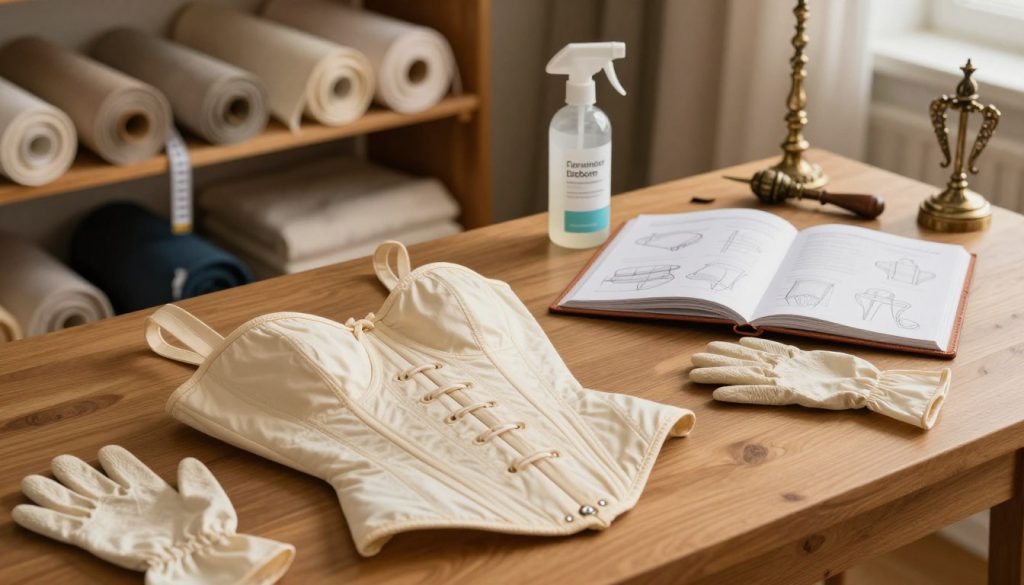
Your journey with a high-quality piece does not end when you take it off. To ensure your garment remains a reliable part of your daily routine, you must prioritize proper corset care. Consistent maintenance helps preserve the structural integrity of the steel bones and the beauty of the fabric.
Gradually Seasoning a New Corset
A new garment requires a process called seasoning to allow the materials to mold to your unique body shape. Start by wearing your piece for only one to two hours at a time during the first week. Never tighten it fully right out of the box, as this can stress the seams and grommets.
Gradually increase your wear time by an hour each day as the fabric softens. This slow approach prevents discomfort and ensures the waist tape settles into the correct position. By the end of the second week, your piece should feel like a natural extension of your silhouette.
Correct Lacing Techniques for Even Pressure
Achieving the perfect fit relies on how you distribute tension across the back. Always ensure the gap between the back panels remains parallel to avoid uneven strain on the bones. Using a “bunny ears” lacing method allows you to tighten the center of the corset first, which provides the most support.
If you feel pinching or excessive pressure in one area, loosen the laces and readjust. Even pressure is the key to both comfort and the longevity of your garment. Take your time during this step to ensure the tension feels balanced from top to bottom.
Cleaning and Drying Corsets Without Damaging the Materials
Because these items are often made from delicate fabrics like satin or silk, they should never be machine washed. Instead, practice gentle corset care by spot cleaning the lining with a damp cloth and mild soap. Always allow the piece to air dry completely in a cool, shaded area away from direct sunlight.
Never wring out the fabric or use a dryer, as heat can warp the steel bones and ruin the shape. If the exterior requires a deeper clean, consider taking it to a professional dry cleaner who has experience with structured garments. Keeping the lining fresh is essential for hygiene and comfort during long periods of wear.
How to Store a Corset Between Wearings
Proper storage is vital to maintain the shape of your investment. It is best to hang your piece by the laces or lay it flat in a cool, dry drawer. Avoid folding the garment, as this can cause permanent creases or damage the internal boning structure.
When Repairs or Professional Alterations Are Needed
Even with the best corset care, wear and tear can occur over time. If you notice a bone poking through the fabric or the grommets becoming loose, it is time to seek professional help. A skilled tailor can often replace damaged components, extending the life of your favorite piece significantly.
| Maintenance Task | Frequency | Key Benefit |
|---|---|---|
| Spot Cleaning | After every 3-5 wears | Hygiene and fabric health |
| Lace Inspection | Monthly | Prevents sudden breakage |
| Professional Check | Annually | Ensures structural safety |
| Air Drying | After every use | Prevents moisture buildup |
Common Corset Shopping Mistakes to Avoid
Avoiding common pitfalls is the best way to ensure your new purchase provides the support and style you desire. Navigating the world of high-quality garments can feel complex, but following a reliable corset buying guide helps you bypass unnecessary frustration. By focusing on construction and fit rather than just visual appeal, you protect your investment and your body.
Choosing a Size Based Only on Clothing Measurements
One of the most frequent errors is assuming your standard dress size translates directly to a corset. Corsets are designed to provide compression, which means they must be smaller than your natural waist measurements. Always rely on the specific size chart provided by the maker rather than your off-the-rack clothing size.
Buying a Low-Quality Corset for Intense Waist Training
Cheap, fashion-grade corsets often use plastic boning and flimsy fabrics that cannot withstand the pressure of regular use. When you prioritize corset safety, you must choose garments with steel boning and reinforced seams. Investing in quality construction prevents the garment from warping or causing discomfort during extended wear sessions.
Ignoring Torso Length, Hip Shape, and Body Proportions
A beautiful corset will not feel comfortable if it does not match your unique anatomy. If a corset is too long for your torso, it may dig into your hips or chest when you sit down. Always measure your vertical torso length and consider your hip spring to ensure the garment accommodates your natural curves without pinching.
Assuming Every Corset Provides the Same Level of Support
Not every garment is built for the same purpose, and understanding corset support is vital for your wardrobe. Some styles are intended purely for fashion and offer minimal shaping, while others are engineered for significant waist reduction. Be clear about your goals before you buy, as selecting the wrong type of support can lead to disappointment or an ineffective fit.
Building a Practical Corset Wardrobe
Building a practical corset wardrobe is an exciting journey that balances your personal aesthetic with everyday comfort. Rather than accumulating dozens of pieces, focus on selecting items that serve specific roles in your life. This intentional approach ensures that every garment you own earns its place in your closet.
Starting with a Versatile Everyday Silhouette
Your first priority should be finding a comfortable, neutral piece that fits your body perfectly. A simple underbust corset in a solid color like black, beige, or navy acts as a foundation for many outfits. This piece should be easy to wear under clothing or as a subtle accessory over a crisp white shirt.
When following a corset buying guide, look for breathable cotton or coutil fabrics. These materials provide the necessary structure without causing discomfort during long days. A well-fitted everyday corset will quickly become your most reliable styling tool.
Adding a Statement Corset for Events and Photography
Once you have a reliable base, you can begin to experiment with bolder designs. Statement pieces often feature intricate embroidery, luxurious velvet, or unique patterns that catch the eye. These corsets are perfect for weddings, photoshoots, or evening performances where you want to express your creativity.
Do not be afraid to choose vibrant colors or dramatic silhouettes for these special occasions. Since these items are worn less frequently, you can prioritize visual impact over the extreme durability required for daily waist training.
Selecting Seasonal Fabrics and Adjustable Styles
Your collection should adapt to the changing weather throughout the year. Lightweight mesh or silk-lined corsets are ideal for warmer months, as they allow for better airflow. In contrast, heavier brocades or wool-blend corsets provide a cozy, structured layer during the winter season.
Always look for adjustable lacing systems that allow you to accommodate minor fluctuations in your body size. A high-quality corset wardrobe thrives on versatility, ensuring you feel confident regardless of the season.
Balancing Budget, Frequency of Wear, and Long-Term Quality
Investing in high-quality construction is essential for pieces you plan to wear often. While budget-friendly options exist, a professional corset buying guide suggests prioritizing steel-boned garments for better support and longevity. You will save money in the long run by purchasing one durable piece instead of replacing cheap alternatives.
| Corset Type | Best Use Case | Fabric Recommendation | Frequency |
|---|---|---|---|
| Everyday Underbust | Daily wear/Support | Cotton Coutil | High |
| Fashion Overbust | Events/Formal | Satin or Velvet | Low |
| Lightweight Mesh | Summer/Travel | Breathable Mesh | Medium |
| Bespoke Piece | Special Occasions | Silk or Brocade | Occasional |
Ultimately, the goal is to curate a collection that makes you feel empowered and comfortable. By balancing your budget with the frequency of wear, you can build a beautiful and functional set of garments that last for years.
Conclusion
Investing in high-quality pieces from the world of corsetry australia transforms your wardrobe and boosts your daily confidence. You now possess the knowledge to evaluate expert craftsmanship, material durability, and precise fit requirements. These elements ensure your chosen garment supports your body while reflecting your unique style.
Successful shoppers prioritize function alongside aesthetics. You should always select construction features that align with your specific goals, whether you seek gentle shaping or structured waist training. Relying on accurate measurements remains the best way to avoid common sizing pitfalls when ordering from international designers.
Safety and comfort guide every great experience with these garments. Take time to season your new items and listen to your body during wear sessions. By focusing on quality designs and proper care, you create a lasting collection that serves you well for years. Enjoy the process of finding the perfect fit that celebrates your silhouette.