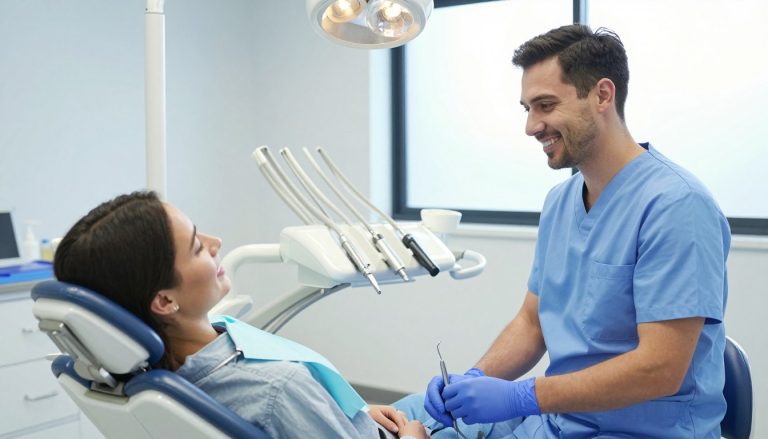
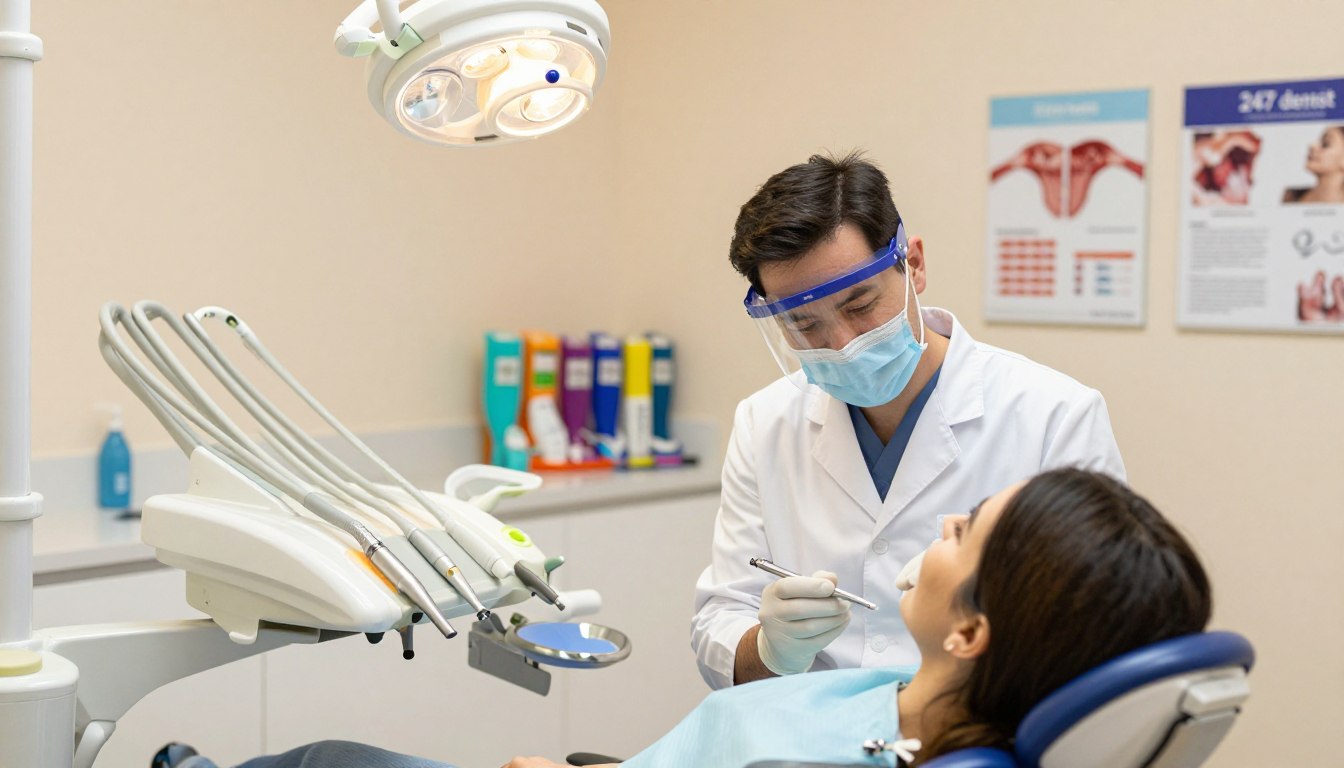
247 dentist
Dental emergencies often strike when you least expect them, turning a quiet evening into a stressful ordeal. Whether you are dealing with a throbbing toothache or a sudden injury, finding immediate relief is your top priority. A 247 dentist provides a vital lifeline for those needing urgent care outside of standard business hours.
This guide is designed for residents across the United States who require quick, reliable advice during a crisis. We will explore how a 24 hour dentist can help manage your symptoms and when it might be safer to head straight to a hospital emergency room. You will learn how to prepare for your visit, what treatment options to expect, and how to navigate the costs involved.
Taking the right steps early can save your smile and reduce your discomfort significantly. Let us help you understand your options so you can act with confidence when every second counts.
Key Takeaways
- Recognise the difference between a routine toothache and a genuine dental emergency.
- Understand when to visit a 24 hour dentist versus going to the local hospital.
- Prepare your medical history and insurance details before making the call.
- Be aware of potential out-of-pocket costs for after-hours emergency services.
- Stay calm and follow basic first-aid tips while waiting for professional help.
What a 247 dentist can help with
A 24 hour dentist provides a vital safety net for those moments when dental issues become unbearable outside of standard business hours. When you face a sudden oral health crisis, the process often begins with a telephone triage. This initial conversation helps you understand the severity of your situation before you even leave your home.
Dental emergencies treated around the clock
True dental emergencies require immediate intervention to prevent long-term damage or systemic health risks. An emergency dentist is equipped to handle intense, throbbing tooth pain that prevents sleep or daily activities. They also manage traumatic injuries, such as teeth that have been knocked out or severely displaced during an accident.
Infections that cause visible swelling in the face or neck are considered critical. These conditions can progress rapidly and may require urgent antibiotics or surgical drainage to ensure your safety.
Urgent problems that should not wait
Some issues demand urgent dental care because they carry a high risk of permanent tooth loss if left untreated. For instance, a tooth that has been completely avulsed, or knocked out, has the best chance of survival if replanted within an hour. Uncontrolled bleeding from the gums or soft tissues also necessitates a visit to a professional immediately.
If you notice a sudden, sharp pain when biting down, it could indicate a deep fracture that extends into the root. Ignoring these symptoms can lead to an abscess, which is a painful collection of pus that indicates a serious infection.
When a same-day appointment may be enough
Not every dental concern requires a middle-of-the-night visit to an emergency clinic. A same-day dentist is often the perfect solution for issues that are uncomfortable but not life-threatening. This includes minor chips, a lost filling, or a crown that has become loose but is not causing severe pain.
You can often manage these situations at home with over-the-counter remedies until the office opens the next morning. The following table helps you distinguish between conditions that need immediate attention and those that can wait for a scheduled visit.
| Condition | Urgency Level | Recommended Action |
|---|---|---|
| Knocked-out tooth | Critical | See dentist immediately |
| Severe facial swelling | High | Seek urgent dental care |
| Lost filling | Moderate | Schedule same-day appointment |
| Minor tooth chip | Low | Routine check-up |
When to seek urgent dental care in the United States
Recognising the signs of a dental emergency is vital for your long-term oral health and comfort. While some issues can wait for a standard business-hours appointment, others require immediate attention to prevent permanent damage or systemic health complications.
Severe toothache and sudden dental pain
A severe toothache that keeps you awake at night or prevents you from eating is a clear indicator that something is wrong. If over-the-counter pain relief fails to manage the discomfort, you should contact a professional immediately.
Sudden, sharp pain often signals deep decay or a damaged nerve. Ignoring this type of pain can lead to more complex and expensive procedures later on.
Knocked-out, cracked or loosened teeth
Trauma to the mouth is a common reason for seeking urgent dental care. If you have a knocked-out tooth, time is of the essence; try to keep the tooth moist and reach a dentist within thirty to sixty minutes for the best chance of saving it.
Cracked or severely loosened teeth also require prompt assessment. Even if the tooth does not hurt immediately, the internal structure may be compromised, leaving it vulnerable to further breakage or infection.
Dental infections, swelling and fever
A tooth infection is a serious matter that should never be ignored. If you notice persistent facial swelling, a foul taste in your mouth, or a fever, you may be dealing with an abscess.
These symptoms suggest that the infection is spreading beyond the tooth itself. Prompt treatment is necessary to stop the infection from affecting your overall health.
Uncontrolled bleeding or soft-tissue injuries
Injuries to the gums, tongue, or cheeks that result in heavy, uncontrolled bleeding require professional intervention. While minor cuts may stop bleeding with gentle pressure, persistent flow indicates a deeper issue that needs clinical care.
If you have sustained a significant laceration, do not wait for the bleeding to stop on its own. Seek help to ensure the wound is cleaned and sutured correctly to prevent infection.
Signs that require an emergency department instead
In certain situations, a hospital emergency department is the appropriate place to go rather than a dental clinic. You should seek hospital care if you experience difficulty breathing, swallowing, or opening your mouth due to severe swelling.
Additionally, if you have suffered a major facial fracture or have heavy bleeding that will not stop after sustained pressure, head to the nearest emergency room. These symptoms often indicate life-threatening conditions that require medical specialists beyond the scope of standard dentistry.
How a 247 dentist responds to common emergencies
When a dental emergency strikes, knowing how a professional responds can provide much-needed peace of mind. An after-hours dentist is specifically trained to assess urgent situations quickly, focusing on immediate stabilisation before planning long-term solutions. Their primary goal is to alleviate your discomfort and prevent further damage to your oral health.
Relieving intense tooth pain
A severe toothache often signals an underlying issue that requires urgent attention. The dentist will first perform a diagnostic examination to identify the source of the pain, which may involve digital imaging. Once the cause is clear, they provide targeted relief to ensure you can rest comfortably until a permanent solution is available.
Repairing chipped, broken or damaged teeth
If you have suffered a trauma, broken tooth repair is a priority to restore both function and aesthetics. The dentist assesses the depth of the fracture to determine if the nerve is exposed. They may use bonding materials or temporary crowns to seal the area and protect the sensitive inner layers of the tooth.
Managing abscesses and suspected infections
A dental abscess is a serious condition that demands prompt intervention to stop the spread of bacteria. If you suspect a tooth infection, the dentist will work to drain the area and provide necessary medication to reduce swelling. Controlling the infection is vital to protecting your overall health and preventing complications.
Replacing lost fillings, crowns and bridges
Losing a restoration can leave your tooth vulnerable to sensitivity and decay. An emergency professional can replace or re-cement these items to restore the integrity of your bite. This temporary fix acts as a shield, keeping the tooth safe until you can return for a definitive, long-term restoration.
Protecting a tooth after an accident
In the event of a knocked-out tooth, time is of the essence for successful re-implantation. The dentist will stabilise the tooth and provide instructions on how to keep it viable during transport. Their expertise ensures that every effort is made to save your natural tooth whenever possible.
| Emergency Type | Primary Goal | Typical Action |
|---|---|---|
| Severe Pain | Pain Relief | Diagnostic assessment and medication |
| Broken Tooth | Structural Integrity | Bonding or temporary crown |
| Abscess | Infection Control | Drainage and antibiotics |
| Lost Filling | Protection | Temporary sealing of the cavity |
What happens during an after-hours dental appointment
When you face a dental crisis, the steps taken during your visit are designed to provide immediate relief. Navigating an emergency dental appointment can feel stressful, but knowing the process helps you stay calm. Most clinics follow a clear path to ensure your comfort and safety.
Describing symptoms during the initial phone call
Your journey begins with a phone call to an after-hours dentist. You will need to explain your symptoms clearly, including the location of the pain and how long it has lasted. Be prepared to describe the intensity of your discomfort and any visible signs of injury, such as swelling or bleeding.
The staff will also ask about your medical history and any medications you currently take. Providing accurate details helps the team prepare the right equipment before you arrive. Honesty about your condition is vital for a successful outcome.
Receiving triage and appointment instructions
Once the team assesses your situation, they will perform triage to determine the urgency of your case. They might suggest a same-day dentist visit if your condition is painful but stable. In some instances, they may advise you to head straight to a hospital if the injury is severe or involves systemic symptoms like a high fever.
You will receive specific instructions on how to manage your symptoms while traveling to the clinic. Following these steps can help prevent further damage to your teeth or gums. Clear communication at this stage ensures you get the right level of care.
What the dentist checks during an urgent examination
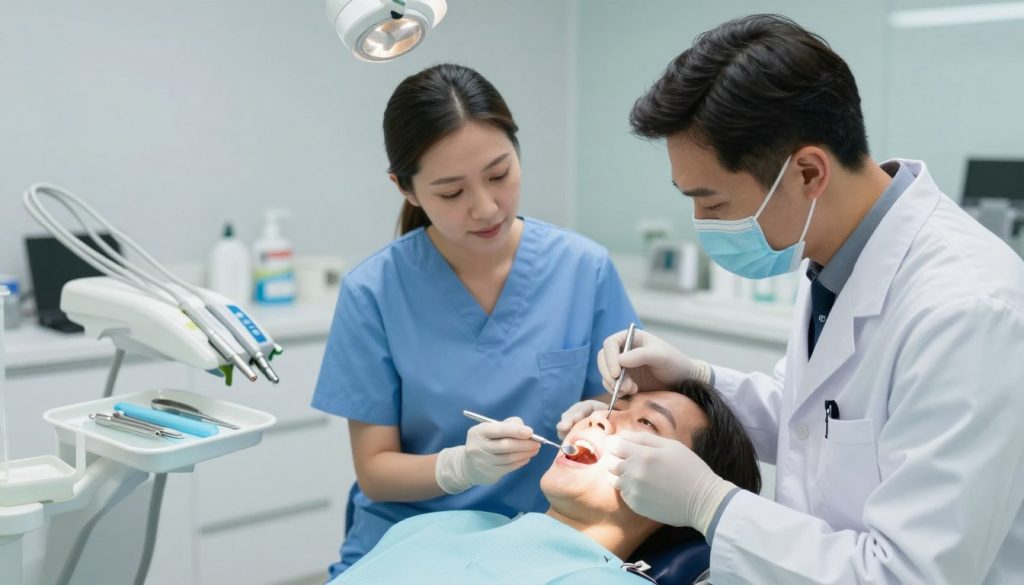
Upon arrival, you will undergo an urgent dental examination to identify the root cause of your problem. The dentist will perform a visual inspection and may use gentle testing to check for sensitivity or nerve damage. This assessment is crucial for creating an effective plan to stop your pain.
Possible X-rays, pain relief and temporary treatment
To get a better look at the issue, the dentist may take digital X-rays. These images reveal hidden problems like abscesses or fractures that are not visible to the naked eye. Once the diagnosis is clear, the team will focus on providing immediate pain relief and necessary temporary treatment.
This might involve draining an infection, placing a temporary filling, or stabilizing a loose tooth. The goal is to make you comfortable and prevent the situation from worsening overnight.
Why follow-up care may still be necessary
While an emergency dental appointment provides vital relief, it is often just the first step. Temporary fixes are designed to stabilize your mouth until a permanent solution can be performed. You will likely need to schedule a follow-up visit with your regular dentist to ensure long-term healing and complete restoration of your dental health.
How to find a trusted 247 dentist near you
Identifying a trusted emergency dentist is the first step toward relieving your discomfort and protecting your oral health. When pain strikes, it is easy to feel overwhelmed, but having a clear plan helps you secure the right care quickly.
Checking licensing and professional credentials
Before you commit to a visit, verify that the practitioner is fully qualified. You can check state dental board websites to ensure the provider holds a valid license in good standing. This simple step ensures that your urgent dental examination is performed by a professional who meets all safety and educational standards.
Confirming the clinic’s actual after-hours availability
Many practices advertise emergency services, but their actual hours can vary significantly. Call the office directly to confirm they can accommodate an emergency dental appointment outside of standard business hours. Do not rely solely on website banners, as direct communication provides the most accurate information regarding their current capacity.
Reading reviews without relying on ratings alone
Online feedback offers valuable insights into how a clinic handles patients in distress. Look for comments that specifically mention the staff’s empathy and the speed of service during urgent situations. Reading between the lines of these reviews helps you gauge if the practice truly prioritises patient comfort during high-stress moments.
Comparing location, response time and accessibility
When searching for a “dentist near me,” consider the travel time and the ease of access to the facility. A clinic located in a central area with clear parking instructions is often the best choice when you are in pain. Quick response times are vital, so prioritise practices that offer clear guidance on how to reach them during late-night or weekend hours.
Questions to ask before travelling to the practice
To avoid unnecessary stress, prepare a few key questions before you leave your home. Asking these upfront ensures you are prepared for the visit:
- Are you currently accepting new patients for an emergency dental appointment?
- Do you have the equipment on-site to perform an urgent dental examination, such as digital X-rays?
- Can you provide a clear estimate of the costs involved before I arrive?
- What is the expected wait time for an emergency patient today?
| Feature | Standard Clinic | Emergency Specialist |
|---|---|---|
| Availability | Business hours only | 24/7 or extended hours |
| Triage | Scheduled in advance | Immediate phone assessment |
| Imaging | Routine check-ups | On-site urgent diagnostics |
| Focus | Preventive care | Pain relief and stabilization |
Costs, insurance and payment options for emergency dentistry
Navigating the financial side of urgent dental care can feel overwhelming when you are already in pain. It is important to understand that emergency dental costs often reflect the unique nature of providing care outside of standard business hours.
How urgent dental fees may differ from routine care
When you visit a clinic for an urgent issue, you are paying for more than just a standard check-up. These visits often require immediate access to specialized staff, advanced diagnostic imaging, and rapid intervention to stop pain.
Because these services are provided on short notice, the overhead for the practice is higher than during a routine cleaning. You may also receive temporary treatment to stabilize your condition before a permanent solution is scheduled.
Checking private dental insurance benefits
Before you head to the clinic, take a moment to review your dental insurance policy. Many plans cover emergency visits, but the level of coverage can vary significantly depending on your specific provider.
Check your plan details to see if there are specific networks you must use to receive full benefits. Knowing your coverage limits ahead of time helps you avoid surprises when it comes to your final bill.
Understanding deductibles, copayments and out-of-pocket costs
Most insurance plans involve a deductible that you must meet before the provider begins to pay. You should also be prepared for potential copayments or coinsurance amounts that remain your responsibility.
Some procedures might be considered cosmetic or fall under specific exclusions in your policy. Always ask the front desk staff to verify your out-of-pocket expenses so you know exactly what to expect before you leave the chair.
Asking about payment plans and accepted payment methods
If the cost of your care is higher than expected, do not hesitate to ask about payment plans dentist offices may offer. Many clinics work with third-party financing companies to help patients manage their bills over time.
Most practices accept major credit cards, debit cards, and health savings accounts (HSA) or flexible spending accounts (FSA). Being open about your financial situation allows the staff to help you find the most flexible solution for your budget.
Getting a written estimate before non-emergency treatment
If your situation requires follow-up care that is not strictly an emergency, always request a written estimate. This document should clearly outline the costs associated with your emergency dental treatment and any future procedures.
Having a clear breakdown in writing gives you the peace of mind to make informed decisions about your health. It ensures that you and your dentist are on the same page regarding the path forward for your smile.
How to prepare before contacting an emergency dentist
Taking a few moments to gather information before calling an after-hours dentist can significantly improve your care. When you are in pain, it is easy to feel overwhelmed, but having a structured approach helps you communicate clearly with the clinical team.
Recording symptoms, timing and pain severity
Start by noting exactly when the discomfort began and what you were doing at the time. Be prepared to describe the nature of the pain—is it sharp, throbbing, or constant? Identifying whether the pain is triggered by hot or cold temperatures can also help the dentist diagnose the issue faster.
Gathering medication and medical history details
Before your emergency dental appointment, compile a list of all current medications, including dosages. It is vital to inform the staff about any known allergies, especially to antibiotics or local anaesthetics. Having your medical history ready ensures that the treatment provided is safe and effective for your specific health needs.
Taking safe steps while waiting for care
A solid dental emergency plan involves keeping the affected area clean and avoiding further irritation. If you are experiencing a toothache, gentle rinsing with warm salt water can provide temporary relief. Stay calm and try to keep your head elevated if you are dealing with significant swelling.
What to bring to an after-hours appointment
When you head to the clinic, ensure you have your photo identification and insurance card ready. If you have recent X-rays or records from your regular dentist, bring those along as well. Having these documents on hand allows the after-hours dentist to focus entirely on your immediate treatment.
Foods, medicines and home remedies to avoid
While you wait for your emergency dental appointment, there are several common mistakes to avoid. Do not place aspirin or other painkillers directly against the gums, as this can cause chemical burns to the soft tissue. Furthermore, avoid these items:
- Hard, sticky, or extremely hot foods that may aggravate the injury.
- Unprescribed medications that could interact with your current health conditions.
- Attempting to use first aid for toothache involving sharp tools or unsterilized instruments.
- Delaying professional care in hopes that the pain will simply disappear on its own.
Choosing between a 247 dentist and a hospital emergency department
Navigating the difference between dental and medical care is essential during an emergency. While both settings provide urgent assistance, they are equipped to handle very different types of health concerns.
Understanding where to go can save you valuable time and ensure you receive the most appropriate treatment for your specific situation.
Dental problems best handled by an emergency dentist
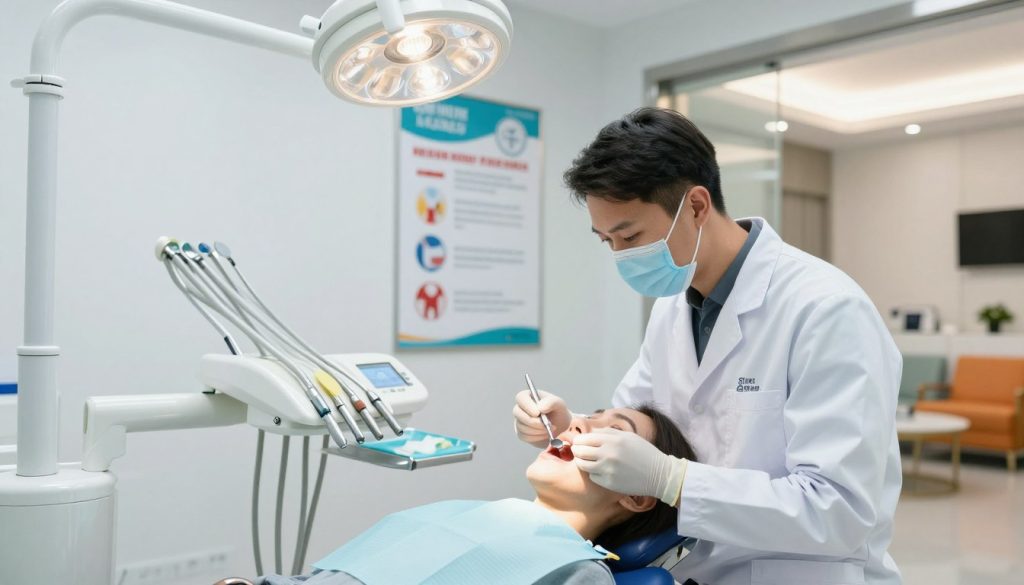
Most oral health issues are best managed by an emergency dentist. These professionals have the specialized tools and training to address localized pain and structural damage effectively.
You should contact a dental clinic if you are experiencing the following issues:
- Severe, localized tooth pain that prevents sleep or daily activities.
- A dental abscess causing localized swelling or discomfort.
- Broken, chipped, or knocked-out teeth requiring immediate restoration.
- Lost fillings, crowns, or bridges that expose sensitive tooth structures.
A dental emergency of this nature requires the precision of a dentist to prevent further decay or permanent tooth loss. They can provide immediate pain relief and temporary repairs that a general hospital is often unable to perform.
Medical warning signs that need hospital care
There are specific situations where a hospital emergency department is the only appropriate choice. If your symptoms extend beyond the mouth and threaten your overall physical well-being, you must seek medical attention immediately.
Go to the nearest hospital if you experience:
- Difficulty breathing or swallowing due to swelling in the throat or neck.
- Uncontrolled bleeding that does not stop after applying firm pressure.
- Major facial trauma, such as a broken jaw or severe bone fractures.
- High fever accompanied by confusion or signs of systemic infection.
How dentists and hospitals may work together
In some cases, a dental emergency may overlap with broader medical concerns. Dentists and hospital staff often collaborate to ensure patient safety when an infection spreads beyond the jaw.
If a dental abscess leads to a serious systemic infection, a dentist may refer you to a hospital for intravenous antibiotics or surgical drainage. This partnership ensures that both the source of the infection and the patient’s vital signs are monitored by the right experts.
What to do when both dental and medical symptoms appear
When you face both dental and medical symptoms, always prioritize the most life-threatening issue. If you are unsure, it is safer to visit the hospital emergency department first for a full medical assessment.
Once medical professionals stabilize your condition, they can coordinate with an emergency dentist to address the underlying oral health problem. Your health and safety are the top priority, so never hesitate to seek professional help if you feel your condition is worsening rapidly.
Preventing dental problems that happen after hours
While a 247 dentist is a vital resource, keeping your teeth healthy is the best way to avoid late-night visits. Most urgent dental issues stem from long-term neglect that eventually reaches a breaking point. By focusing on preventive dental care, you can significantly lower the risk of sudden pain or infections occurring when your regular clinic is closed.
Maintaining daily brushing and interdental cleaning
The foundation of a healthy mouth is consistent hygiene. Brushing twice a day with fluoride toothpaste removes plaque that leads to decay and gum disease. Do not forget to clean between your teeth daily using floss or interdental brushes to reach areas your toothbrush cannot.
Protecting teeth during sport and physical activities
Accidents often happen during contact sports or high-intensity exercise. Wearing a custom-fitted mouthguard is a simple way to prevent knocked-out or fractured teeth. Always prioritize safety gear to avoid needing an emergency visit after a collision.
Avoiding habits that cause cracks and breakages
Many people unknowingly damage their teeth by using them as tools. Avoid chewing on ice, hard candies, or opening packages with your teeth, as these habits cause micro-fractures. Over time, these small cracks can lead to sudden, painful breaks that require immediate attention.
Keeping regular check-ups and preventive appointments
Attending regular dental check-ups allows your dentist to spot small issues before they become major problems. Early detection of cavities or gum inflammation prevents the need for urgent intervention. Consistency is the key to maintaining long-term oral health.
Building a practical emergency dental plan
Even with the best care, it is wise to be prepared for the unexpected. A solid dental emergency plan ensures you are not scrambling for information during a crisis. Keep a document or digital note that includes the following details:
- Contact information for a trusted 247 dentist.
- Your current dental insurance policy number and coverage details.
- A list of your current medications and known allergies.
- Preferred transport arrangements for getting to a clinic quickly.
| Preventive Action | Risk Reduced | Frequency |
|---|---|---|
| Daily Brushing | Decay and Gum Disease | Twice Daily |
| Interdental Cleaning | Hidden Cavities | Once Daily |
| Mouthguard Use | Tooth Fractures | During Sports |
| Regular Check-ups | Untreated Infections | Every 6 Months |
What to look for in ongoing dental care after an emergency
Emergency dental treatment provides vital relief, but it rarely addresses the root cause of your problem. While a dentist may stop your pain or stabilize a tooth, these actions are often just the first phase of a larger healing process. Ignoring the next steps can lead to recurring issues or more severe complications down the road.
Completing treatment after temporary pain relief
Many patients feel a sense of relief once the throbbing pain subsides and assume the issue is resolved. However, temporary measures like antibiotics or quick fillings are not permanent solutions. It is essential to return to your clinic to finish the necessary procedures that ensure your mouth remains healthy and pain-free.
Restoring damaged teeth for long-term function
If you experienced a trauma, broken tooth repair is a critical component of your recovery. A temporary fix might protect the tooth for a few days, but you need a durable restoration to regain full chewing function. Restoring the structural integrity of your teeth prevents further decay and protects your bite from becoming misaligned.
Finding a dentist who explains treatment clearly
You deserve a trusted emergency dentist who takes the time to walk you through your options. Clear communication helps you understand why specific procedures are necessary and what to expect during your recovery. A professional who values your input will ensure you feel confident and informed about every step of your dental plan.
Keeping follow-up appointments and monitoring recovery
Consistency is the key to lasting oral health. By prioritizing follow-up dental care, you allow your dentist to monitor the healing process and catch any potential issues early. Integrating preventive dental care into your routine, alongside regular dental check-ups, ensures that your smile stays strong and functional for years to come.
Conclusion
Dental emergencies often strike when you least expect them. A 247 dentist provides the immediate guidance needed for severe pain, swelling, or sudden injuries. Knowing when to seek this urgent help versus visiting a hospital emergency department protects your long-term health.
Keep your insurance details and medical history ready to streamline your visit. Finding a trusted emergency dentist in your area ensures you have a reliable contact during stressful moments. You can search for a dentist near me to build a list of local clinics before an issue arises.
Temporary relief is only the first step in your recovery journey. Prioritise follow-up dental care to restore your smile and address the root cause of your discomfort. Consistent preventive habits reduce the risk of future after-hours visits significantly.
Take charge of your oral wellbeing today by identifying your local care options. Proactive planning keeps your teeth healthy and your mind at ease. Reach out to a professional to schedule your next routine check-up.